
Alternatives to Rendering
Not every property suits render, and not every homeowner wants it. Alternatives To rendering range from exposed masonry finishes and cladding systems through to insulated panel assemblies, each with its own performance characteristics, cost implications, and suitability for different wall constructions. This guide covers the main options honestly, so you can weigh up what makes sense before committing to anything.
Why Homeowners Look for Alternatives To Rendering
Render can crack, trap moisture, and demand periodic maintenance — and for some walls it was never the right choice in the first place.
The most common reasons people step back from render include cracking caused by substrate movement, moisture becoming trapped behind an impermeable cement finish, and the visual maintenance burden of repainting or patching as the surface weathers. On older properties with solid brick or stone walls, a cement render coat can actually accelerate damp problems by preventing the wall from drying out after rain.
Wall construction matters a great deal here. Cavity walls, timber frame structures, and traditional solid masonry all behave differently when it comes to moisture movement and thermal expansion. A finish that performs well on a modern cavity wall can cause serious problems on a nineteenth-century solid brick property. Before settling on any external finish, it is worth understanding what your walls are actually made of and how they manage moisture.
Cladding as an Alternative to Render
Cladding avoids many of render's vulnerabilities by creating a physical barrier that allows the wall behind it to breathe, provided it is installed with a proper ventilated cavity.
Timber cladding, composite boards, and fibre cement panels are the most widely used options. Timber gives a natural appearance but requires periodic treatment to resist moisture and UV damage. Composite materials mimic the look of timber with significantly less maintenance, while fibre cement boards are highly durable and can be factory-finished in a range of colours.
In terms of moisture management, a well-detailed ventilated cladding system handles driving rain more forgivingly than a direct-applied render coat. The cavity behind the boards allows the structure to dry out, which makes cladding a strong candidate for exposed elevations and for timber frame buildings where breathability is a structural concern. On brick walls, cladding can be fixed directly to the masonry or over a batten framework, with the latter approach also allowing for insulation to be incorporated.
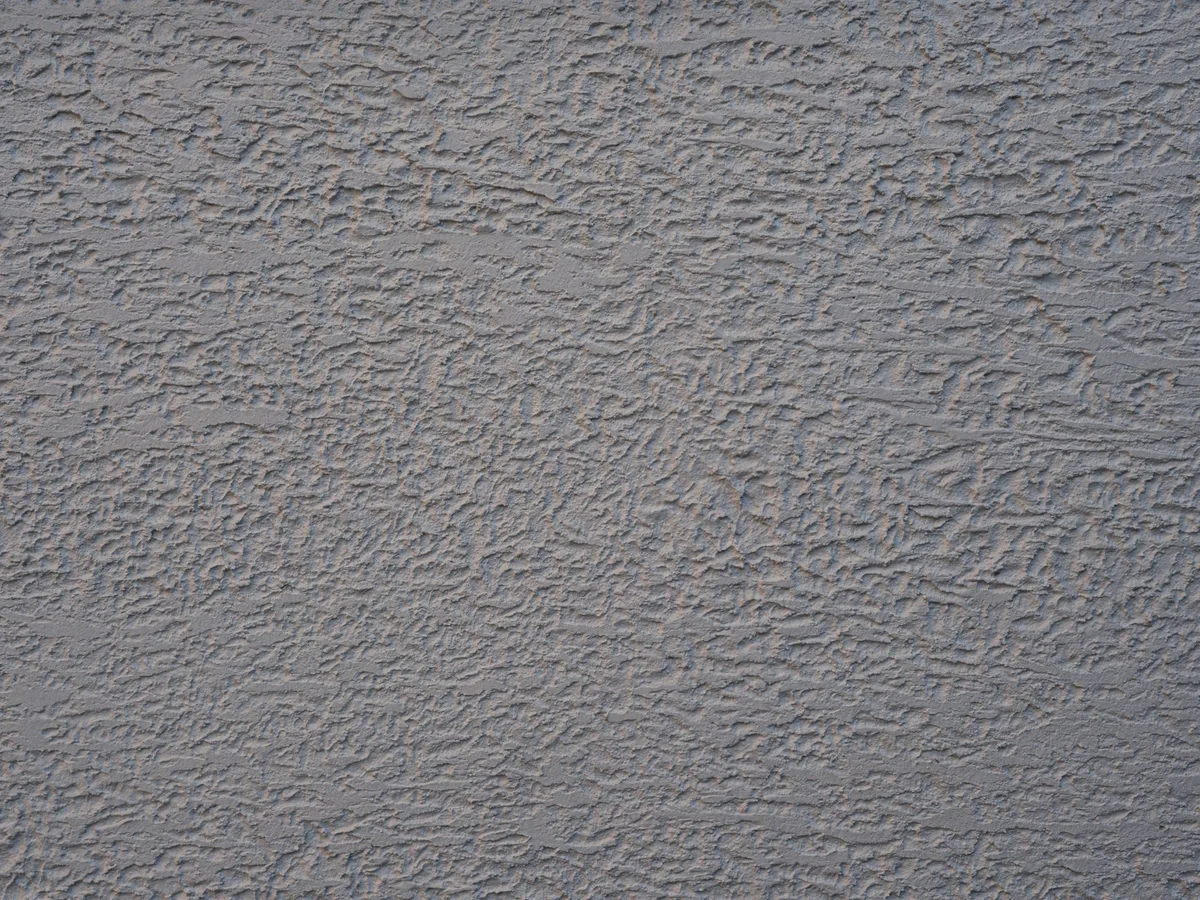
Brick and Masonry Finishes Instead of Render
Exposed brick can be a practical and attractive finish in its own right, particularly where the underlying masonry is in reasonable condition.
Many properties were originally built with facing brickwork that was later rendered over, and stripping back to the original brick is sometimes a legitimate option — though it depends heavily on the quality and condition of what lies beneath. Where the brick is sound, repointing the joints and cleaning the face can restore a clean, durable finish without introducing any additional materials.
Repointing replaces weathered or failing mortar between bricks, which both improves appearance and prevents water ingress through the joints. Brick cleaning removes pollution staining, biological growth, and old paint. Together, these two processes can transform a tired elevation at a fraction of the cost of a full external finish system.
Lime mortar and lime-wash approaches belong in the same conversation. Lime mortar is softer and more flexible than cement, which makes it the correct choice for older brick and stone buildings where the masonry needs to flex and breathe. Applying a lime-based finish to a traditional wall respects the building's original behaviour in a way that cement rarely does.
Insulated and Panel-Based External Wall Systems
External wall insulation (EWI) is a system that fixes rigid insulation boards to a property's exterior walls before applying a reinforced finish coat over the top — and it is frequently considered alongside render rather than instead of it.
However, panel-based and rainscreen systems offer an alternative route that achieves similar thermal improvements without a wet-applied finish. In a rainscreen system, panels or boards are fixed to a supporting framework mounted off the wall face, leaving a ventilated cavity between the panel and the insulation layer. This approach is particularly well suited to commercial buildings, schools, and large residential blocks where speed of installation and long-term durability are priorities.
Damp management works differently in these systems compared to render. A render coat relies on being largely impermeable at the surface; a rainscreen system accepts that some water will penetrate behind the panels and manages it by draining and venting that water away. For walls with persistent damp problems or in very exposed locations, this distinction can be decisive. If you are weighing up the insulation angle, the rendering services overview explains how insulated render systems fit into the broader picture.
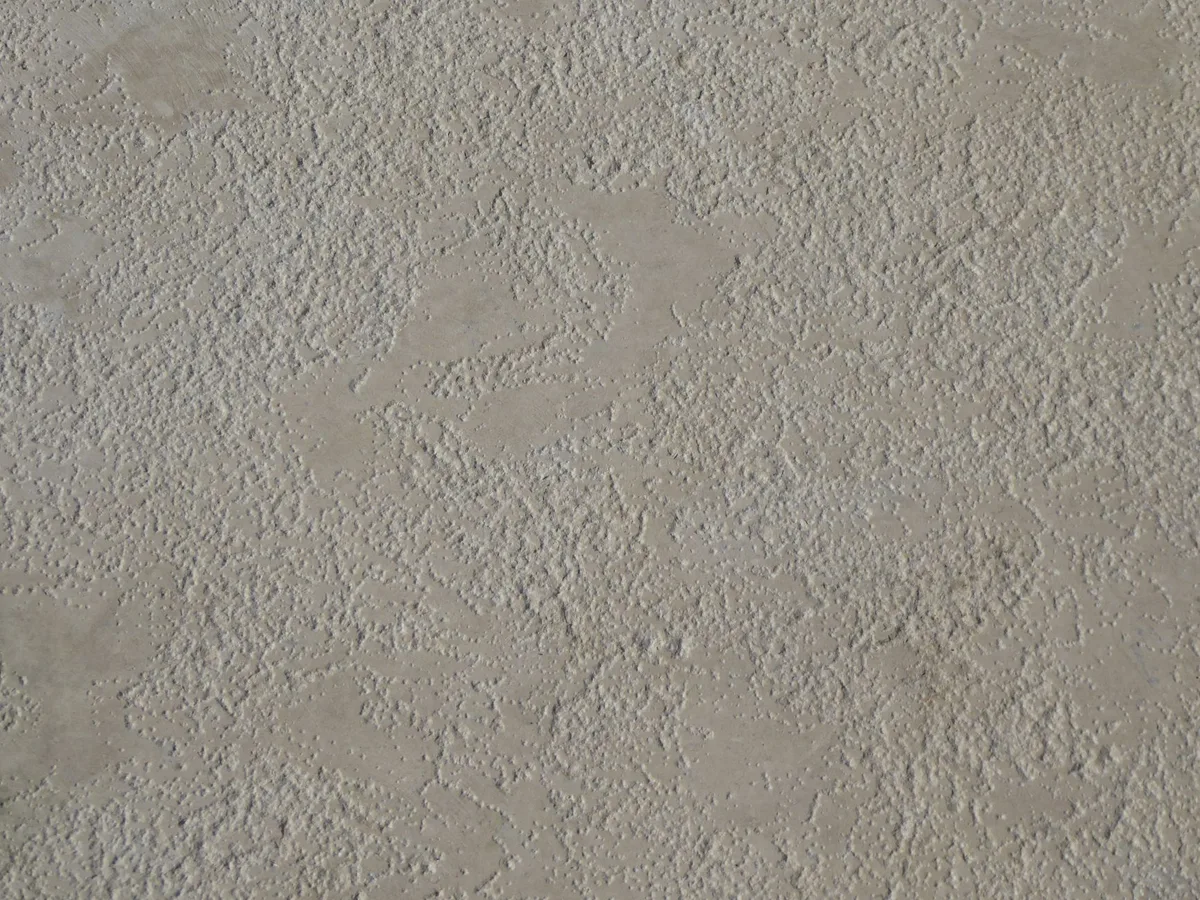
Lime Render versus Modern Cement Render
Lime render is a breathable, flexible alternative to cement-based render that suits older and traditionally built properties far better than modern mixes.
Lime render is a mixture of lime putty or hydraulic lime with aggregate. Because it is softer than cement, it can absorb minor movement in the substrate without cracking, and it allows moisture to pass through the wall as vapour rather than trapping it. These properties make it particularly valuable on solid stone and brick buildings, where the ability to dry out is essential to the building's long-term health.
Cement render, by contrast, is harder and less permeable. On modern construction with a stable cavity wall, that rigidity is generally fine. On an older property, the same rigidity can lead to cracking as the wall moves seasonally, and the reduced vapour permeability can trap moisture inside the wall where it causes damage to both masonry and internal finishes.
The point at which lime render moves from being an "alternative to render" to simply being the correct render for the job depends on the building. On any pre-1919 solid-wall construction, lime-based approaches are usually the starting point rather than the fallback option.
How to Choose the Right Finish for Your Walls
The right external finish depends on three things above all others: what the wall is made of, how much weather exposure the elevation faces, and what the budget can realistically cover.
Wall material determines which finishes are physically compatible. Timber frame buildings need a finish system that accommodates movement and maintains breathability. Traditional solid brick walls need something soft enough not to trap moisture. Modern cavity walls are the most permissive — most finish systems work reasonably well on them.
Weather exposure affects how hard any finish has to work. A sheltered rear elevation may be fine with a simple repointed brick face. A west-facing gable in an exposed location needs a system designed to handle sustained driving rain. Getting this wrong means premature failure regardless of how well the product itself performs.
A professional assessment before committing to a finish is not a formality — it is where most of the important decisions actually get made. An experienced eye on the wall can identify whether there is existing damp, what the construction type actually is (which is not always obvious from the outside), and which finish systems are and are not compatible. For those who go through this process and conclude that render is still the right answer, the rendering services overview sets out the main system types available.
Frequently Asked Questions
The questions below cover the most common topics that come up when homeowners are comparing external wall finish options.
What are some alternatives to render?
The main Alternatives To rendering are: cladding (timber, composite, or fibre cement), exposed and repointed brickwork, lime-wash and lime mortar finishes on traditional masonry, external wall insulation with a non-rendered panel facing, and rainscreen cladding systems. The right choice depends on wall construction, exposure, and the existing condition of the substrate.
What are the disadvantages of rendering?
Cement render can crack as the wall beneath it moves, trap moisture in breathable masonry, require periodic repainting to maintain appearance, and fail early if applied to a substrate it is not compatible with. On older solid-wall construction in particular, a hard cement coat can accelerate damp problems rather than prevent them.
What time of year should you render a house?
Render should generally be applied when temperatures are reliably above 5°C and not expected to drop below freezing during the curing period. Most render manufacturers specify a minimum application and curing temperature of 5°C, with the curing period for a standard base and finish coat typically running to several days. Late spring through early autumn usually offers the most reliable conditions; winter application carries a real risk of frost damage before the coat has cured fully.
If you would like to discuss which external wall finish suits your property, speak to a rendering specialist and we will connect you with the right person to assess your walls and recommend the most appropriate approach.