
Lime Render
Lime Render is a traditional wall finish made from lime, sand, and water — used on buildings long before cement render existed. Unlike cement-based products, it remains flexible, breathable, and compatible with older masonry. This guide covers what it is, where it works best, and how to decide whether your project needs it.
What Lime Render Is
Lime Render is a mortar-based coating applied to external or internal walls, using lime as the binding agent rather than Portland cement.
The two main types are lime putty mortar and natural hydraulic Lime Render (often abbreviated to NHL). Lime putty mortar is made from slaked lime and is very slow to set — it cures by absorbing carbon dioxide from the air. Natural hydraulic lime sets partly through a hydraulic reaction with water, making it more suitable for exposed or damp conditions. Both types have been used on traditional buildings for centuries, and both remain the standard choice where breathability is a requirement.
When to Use Lime Render
Lime Render suits walls built with soft or porous masonry — stone, handmade brick, earth, and lath-and-plaster structures are typical candidates.
On these substrates, breathability matters. Older walls were designed to manage moisture by allowing it to pass through the fabric of the building. Applying a hard, impermeable coating traps that moisture inside the wall, leading to damp, frost damage, and spalling. A breathable lime finish lets walls move and breathe as they were built to do. Lime Render is often the preferred or required choice on listed buildings and structures in conservation areas, where planning guidance may specify compatible materials.
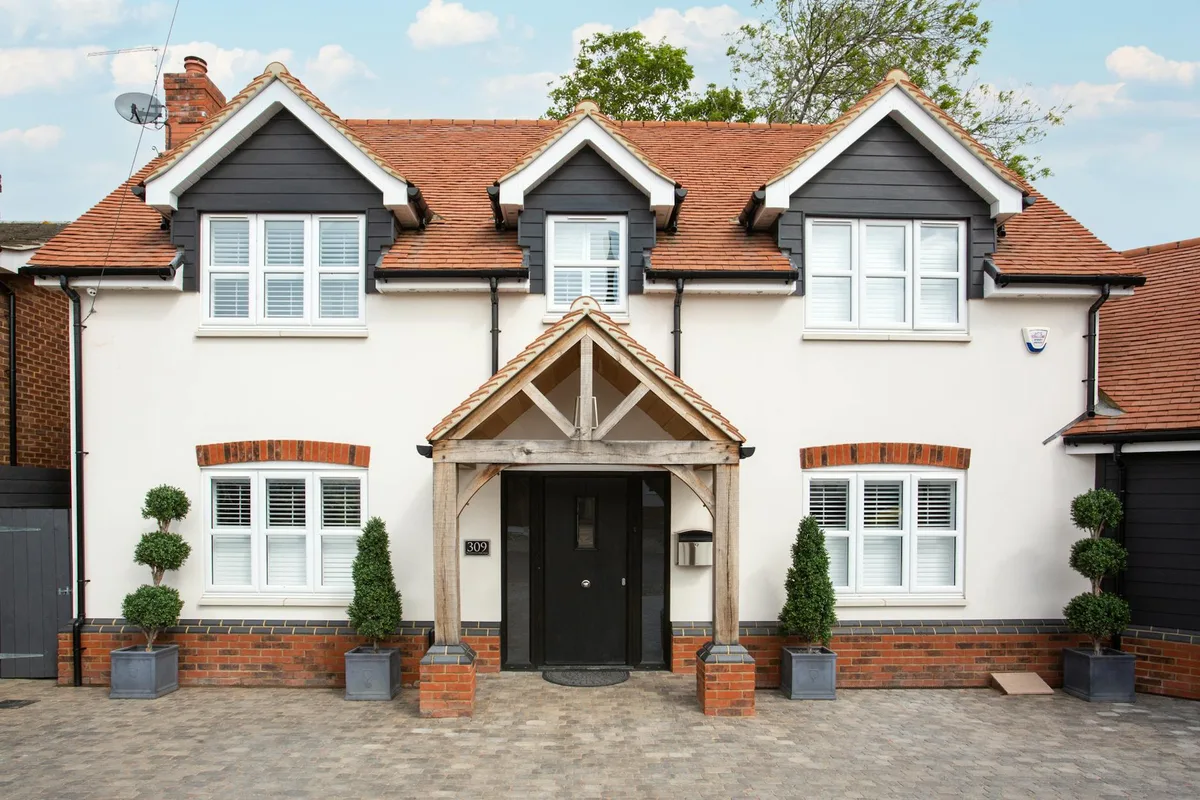
How Lime Render Is Applied
Application follows a layered sequence: a base coat (sometimes called the scratch coat), one or more float coats, and a finish coat.
Each coat needs time to partially cure before the next is applied. Rushing this process causes the coats to separate or crack. The float coats build up the thickness and level the surface; the finish coat provides the texture and appearance. Working with lime requires specific knowledge — the mix proportions, the ambient temperature, and the moisture conditions during application all affect how the material behaves. Lime Render applied in direct sun or frost is likely to fail. The skill of the applicator has a direct bearing on the final result.
Lime Render Compared With Cement Render
The key difference is flexibility and breathability — lime moves with the building; cement does not.
Cement render is harder and sets faster, which can seem advantageous, but its rigidity becomes a problem on older walls. When the building moves — as all buildings do, seasonally — cement render cracks, and those cracks allow water to enter. Because cement is impermeable, that water cannot escape easily. On a soft-masonry wall, the result is often trapped moisture, rising damp, and long-term structural deterioration. Lime Render, by contrast, accommodates small movements and allows moisture vapour to pass through. For modern cavity-wall construction with sand-cement render, cement products are generally fine. For solid-wall or heritage buildings, lime is the appropriate choice.
How Long Lime Render Lasts
A well-applied Lime Render finish typically lasts 25 to 50 years, depending on exposure, maintenance, and the quality of the original application.
The mix design and coat build matter significantly. Coats that are too rich in lime, or applied too thick in a single pass, are more prone to cracking. A correctly proportioned and layered job weathers slowly and evenly. Decorative lime finishes and limewash coatings applied over the render benefit from periodic reapplication, usually every five to ten years, which refreshes the appearance and maintains the protective function. Correct application and appropriate maintenance are the two factors most within the owner's control.

What Affects the Cost of Lime Render
Wall area is the largest single cost driver, more surface means more material and more labour time.
Beyond area, the number of coats required, the condition of the existing substrate, and the amount of preparation work (removing old cement pointing, cutting out failed patches, installing laths) all add to the overall price. Lime materials cost more than standard sand-cement products, and the specialist labour required commands a higher rate than general rendering work. Compared with silicone or polymer renders, Lime Render is typically a greater investment per square metre. That reflects the material quality, the slower application process, and the expertise involved. Every project is quoted individually, costs vary based on scope, access, and specification. Get in touch to find a Lime Render specialist.
Whether Lime Rendering Is a DIY Job
Lime Render can be applied by a competent DIYer on a small, low-risk area, but most external Lime rendering projects warrant a specialist.
The consequences of poor application on a breathable or historic wall are serious. An incorrect mix, insufficient key on the backing coat, or inadequate curing can lead to delamination, cracking, or moisture problems that are expensive to correct. On a listed building or a wall with existing structural issues, a failed Lime Render application may cause more damage than doing nothing. For anyone without direct experience of working with hydraulic lime or lime putty mortar, taking professional advice before starting is strongly recommended.
Frequently Asked Questions
The questions below address the most common queries about Lime Render, from suitability to cost to DIY feasibility.
When should you use Lime Render?
Lime Render is the right choice when the wall substrate is soft, porous, or historic, stone, unfired earth, handmade brick, or lath. It is also appropriate wherever planning rules require a breathable, compatible finish. If the building predates the widespread use of Portland cement, assume Lime Render until a surveyor or specialist advises otherwise.
Which is better, cement render or Lime Render?
Neither is universally better, each suits different substrates. Cement render is practical and durable on modern cavity-wall construction. On older solid-wall buildings, cement traps moisture and can cause structural damage. For traditional and heritage properties, Lime Render is the technically correct choice. The substrate determines the answer.
How long does Lime Render last?
A correctly applied Lime Render finish usually lasts around 25 to 50 years. Lifespan depends on the mix, the number of coats, exposure to weather, and ongoing maintenance. Limewash or paint finishes over the render typically need refreshing every five to ten years to maintain appearance and performance.
Is Lime Render expensive?
Lime Render costs more than standard sand-cement render. Materials are more expensive, and the labour requires specialist knowledge and a slower, more careful process. The exact cost depends on wall area, coat specification, preparation work, and site access. Get a free written quote for your specific project.
Can I Lime Render myself?
Small repairs on low-risk areas are manageable for someone with rendering experience, but external Lime rendering on a heritage or listed building is specialist work. Errors in mix design, coat build, or curing conditions can cause cracking and moisture problems that are difficult and costly to fix. For most projects, hiring an experienced Lime Render specialist is the more reliable approach.
If you have a project in mind, get in touch to find a Lime Render specialist and we will connect you with a rendering specialist who can advise on the right Lime Render approach for your wall. Call City Renderers on +447588418550 for a free, no-obligation quote.