
Render Restoration
Render Restoration covers everything from targeted patch repairs on minor cracks through to full removal and re-rendering where the existing render has failed beyond saving. The right approach depends on what is causing the problem, how far damage has spread, and which render system is already on the wall. City Renderers connects you with specialists who assess the substrate first and recommend only the work that is actually needed.
What Render Restoration Involves
Restoration, repair and full re-rendering are not the same thing. Restoration describes the process of returning a render finish to a sound, weathertight condition without necessarily removing everything — it may combine crack filling, blown patch removal, bonding, and a colour matched finish coat. Repair is a narrower term for localised work on minor cracks or small damaged areas. Full re-rendering means stripping the existing render back to the masonry and starting again. Assessment of the existing render system always comes first, because the treatment that works on a sand-and-cement base differs from what suits polymer or silicone render.
Warning Signs That Your Render Needs Attention
Visible cracking is the most obvious sign — large cracks running across a façade, hairline or minor cracks around window reveals, and gaps where render meets soffits or window frames all indicate stress or movement. Blown render sounds hollow when tapped and feels loose underfoot; it has separated from the substrate and will continue to deteriorate. Damp patches, bubbling, and flaking paint or finish coat are signs that water has already entered the render system and is working its way through.
What Causes Render to Crack or Fail
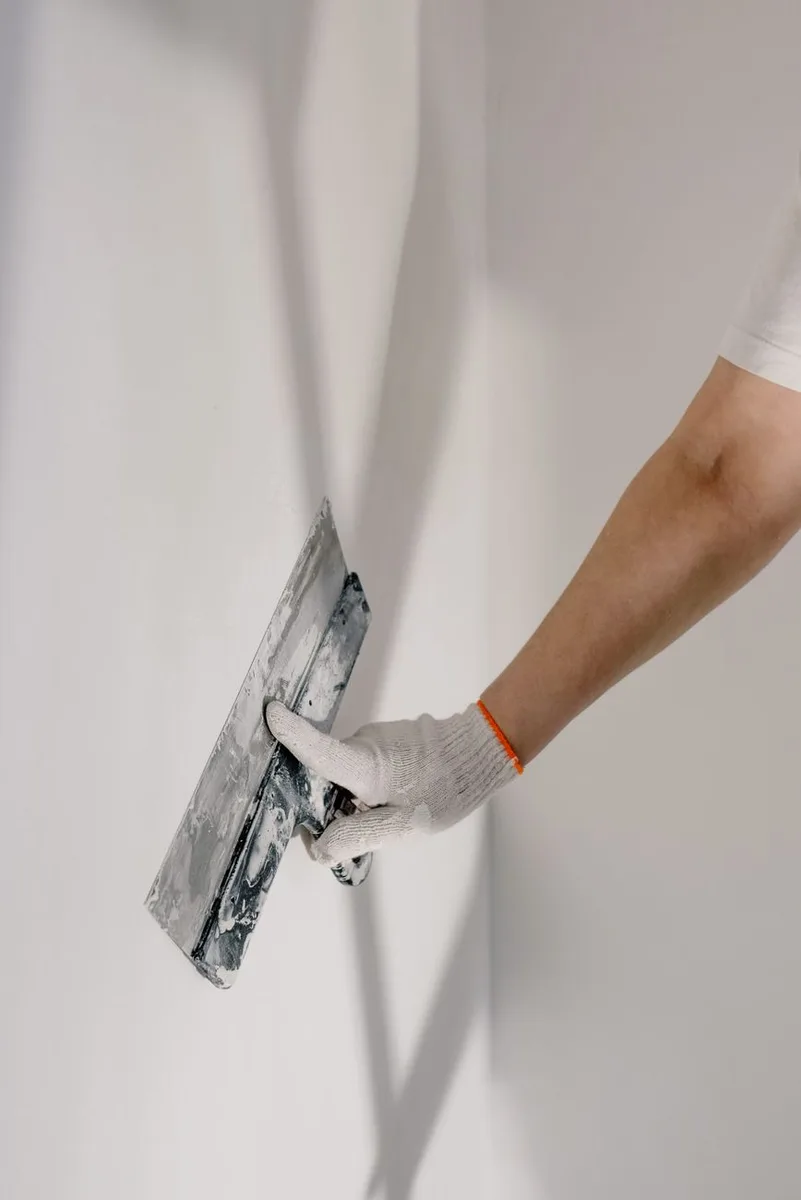
Movement and settlement in the underlying structure put stress on the render skin. Older render systems, particularly hard sand-and-cement mixes, have limited flexibility and crack as the building moves naturally over time. Once a crack opens, water enters and accelerates the deterioration — freeze-thaw cycles widen gaps and force render away from the substrate. A common cause of accelerated failure is an incompatible render system applied over existing render: if the outer layer is stronger or less breathable than the base beneath it, stresses build and the top coat lifts.
Render Restoration Options Explained
Patch repair suits minor or localised damage — small cracks, isolated blown patches, or areas where the render has lifted around fixings. For patch repairs to look right, colour matched mortar or finish coat is mixed to blend with the surrounding render. Where render blown areas are found, the loose material must be cut out and removed before any new render is applied; filling over hollow render never holds. When damage is widespread — covering most of a wall or affecting multiple elevations — full re-rendering is usually the more practical and cost-effective choice, since large-scale patch repair rarely achieves a consistent finish across the whole surface.
Can New Render Go Over Old Render
Overcoating existing render is possible under certain conditions: the base must be structurally sound, firmly bonded, free of blown patches, and compatible with the new system. A thin polymer or silicone finish coat can be applied directly over a sound sand-and-cement base that has been prepared and primed correctly. Where the existing render is cracked throughout, has significant blown areas, or was previously finished with a coating that prevents adhesion, it must be removed first. Compatibility between render systems matters — applying a dense finish over a weaker or less breathable base traps moisture and shortens the life of the repair.
Why Timely Render Repair Matters
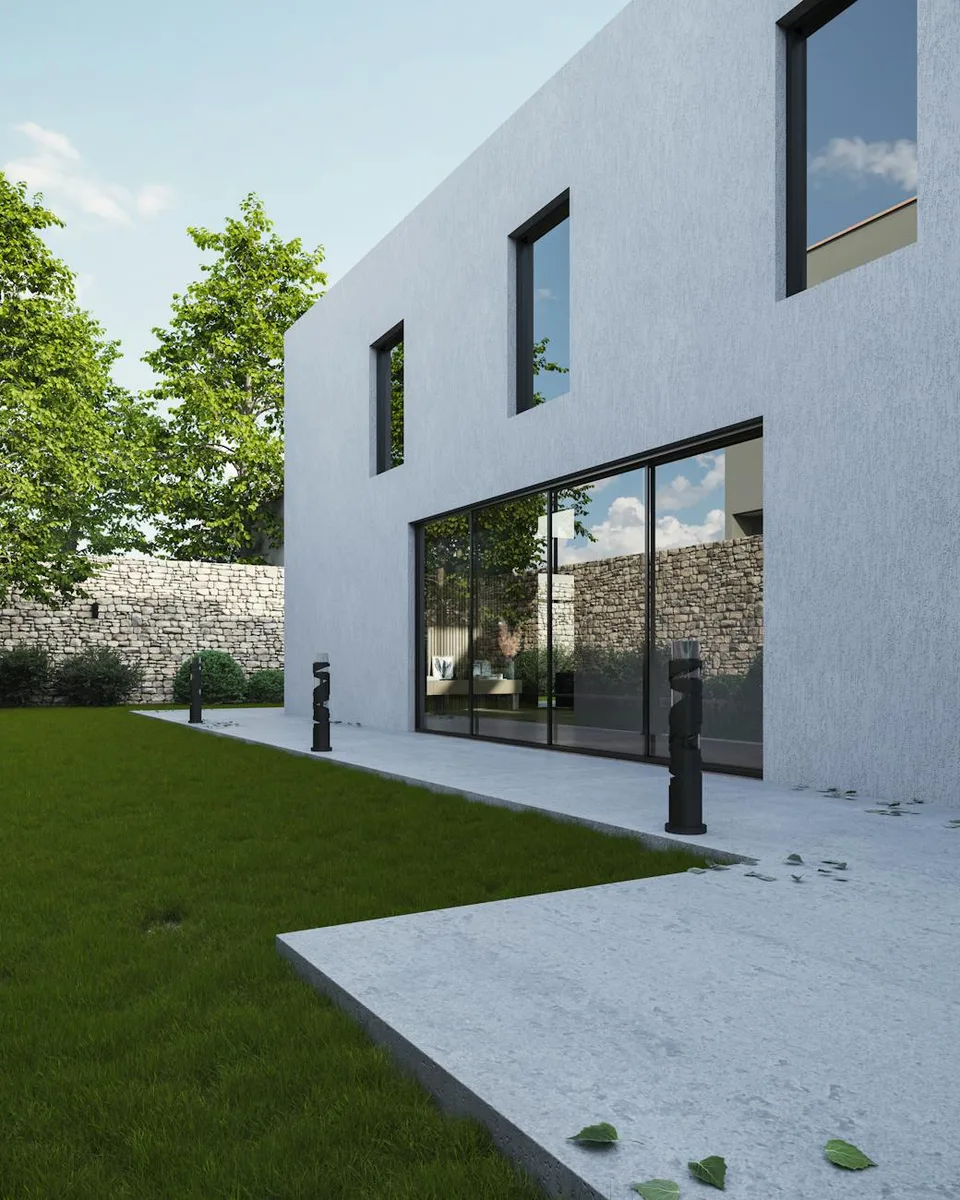
Delayed repair allows water to penetrate the wall and cause damage that goes well beyond the render itself — saturated masonry, corroding wall ties, and damp internally are all consequences of leaving failing render unaddressed. Deteriorating render is also visible from the street and affects the perceived and market value of the property. The relationship between failing external render and internal damp is direct: once water finds a route through the render system, it follows the path of least resistance into the building fabric.
Can You Repair Render Yourself
Small-scale DIY repair is possible for superficial cracks, a flexible exterior filler or ready-mixed render patch can address minor cracks on a like-for-like basis. The risks are in the detail: mismatched materials that are harder or less breathable than the existing render, poor adhesion caused by inadequate surface preparation, and colour matched repairs that stand out rather than blend in. For blown patches, significant cracking, or any area where water has already entered the render system, a professional assessment is the safer choice. Poor DIY repair can mask a deeper problem and make subsequent professional work more difficult.
Frequently Asked Questions
The questions below cover the render problems we hear about most often.
Can you put new render over old render?
Yes, but only when the existing render is sound, well bonded, and compatible with the new system. A specialist will test for hollow areas by tapping across the surface and assess the render type before recommending overcoating. Any blown patch must be removed first. Where the existing render is failing across large areas, removal is the more reliable starting point.
My render is cracking, how can I fix it?
The fix depends on the type and cause of the cracking. Minor cracks can often be filled and finished with a colour matched product. Large cracks, cracks that keep returning, or cracks accompanied by hollow render indicate a structural or system-level problem that needs full assessment before any repair. Get a free quote from a specialist before starting work.
Can external render be repaired?
Yes. External render can be repaired in most cases, provided the underlying masonry is sound and the existing render system is compatible with repair materials. Repair is practical for localised damage. Widespread failure across multiple elevations usually makes full re-rendering the more cost-effective approach.
Can you repair render yourself?
For very minor surface cracks, yes, with the right materials and preparation. For blown render, large cracks, damp damage, or anything more than cosmetic work, a professional is the safer choice. Incorrect materials or poor adhesion can make problems worse and increase the eventual repair cost.
Render problems rarely stay the same size, they grow. Get in touch to describe your render problem and be connected with a specialist who can assess it properly and recommend the right course of action. Explore our rendering services overview or get in touch about Render Restoration to take the next step.