
EWI Render
Ewi Render is a complete external wall insulation system that bonds insulation boards directly to an external wall, then applies a render finish over the top to protect and seal the build-up. The system improves thermal performance, shields the wall structure from moisture, and delivers a clean, durable exterior finish. If you want to know whether Ewi Render is right for your property, contact us to find an Ewi Render installer.
What Ewi Render Is and How the System Works
Ewi Render works as a layered system, not a single product. Insulation boards — typically expanded polystyrene (EPS), mineral wool, or phenolic foam — are fixed to the existing wall using adhesive and mechanical fixings. A polymer-modified base coat is then applied over the boards, a fibreglass reinforcement mesh is embedded into it, and a decorative top coat is applied as the final layer. Each layer has a specific job: the insulation reduces heat loss, the base coat and mesh create a stable substrate, and the top coat provides the weatherproof, finished surface.
This is what distinguishes Ewi Render from standalone render. Standard external render is applied directly to masonry to create a protective or decorative surface. An EWI system adds the insulation layer beneath, so the render finish is part of a wider thermal and weather-protection strategy rather than a surface treatment on its own.
Why Ewi Render Is Used on External Walls
The main reason buildings use Ewi Render is thermal performance. Adding insulation to the outside of a wall reduces the amount of heat escaping through the fabric of the building, which lowers energy demand for heating. Because the insulation wraps the structure continuously, it also eliminates many of the cold bridges that form at floor junctions and structural elements inside a cavity wall.
Beyond energy efficiency, the system protects the wall itself. The render finish acts as a weatherproof skin over the insulation boards, preventing rain penetration and wind-driven moisture from reaching the original wall. When the system is specified and installed correctly, this protection extends the life of the underlying wall structure. The render finish is not decorative detail — it is load-bearing in the sense that the whole system's weather performance depends on it being intact, correctly applied, and maintained.
What Types of Render Finish Are Used with EWI
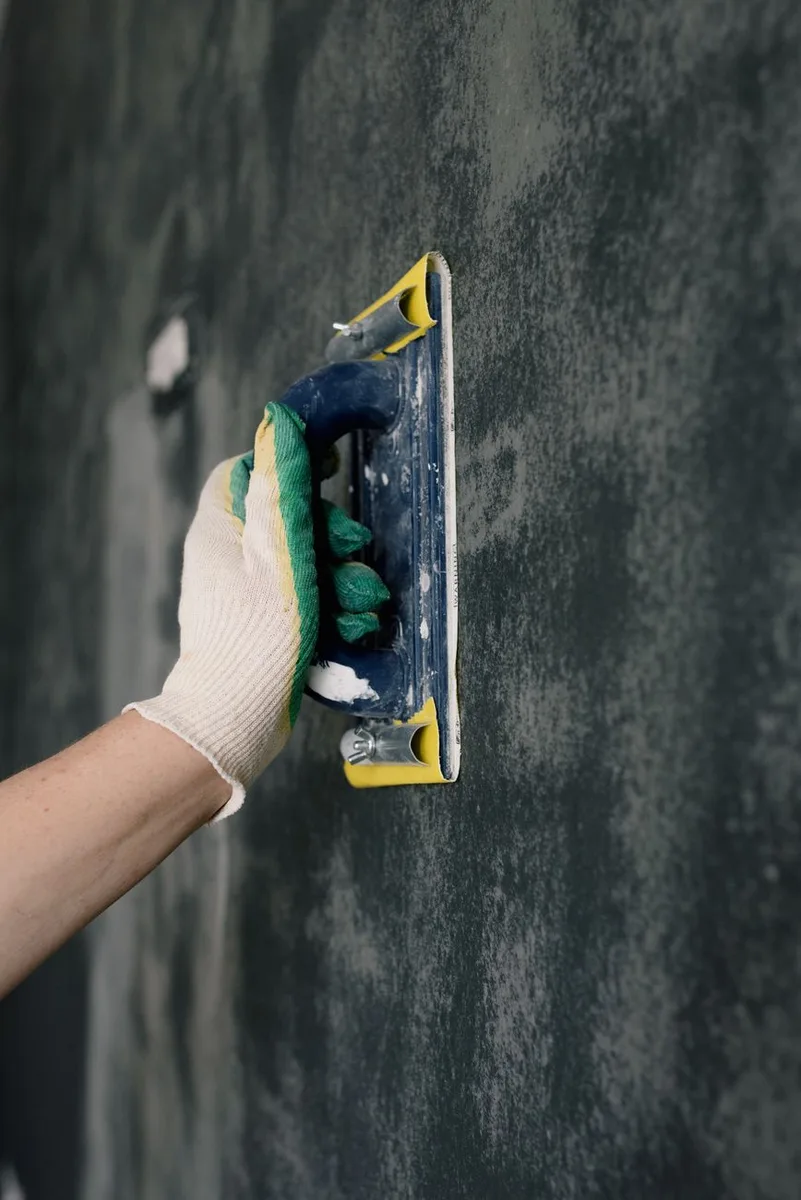
Three render types are commonly used as the top coat on an EWI system: silicone render, mineral render, and acrylic render.
Silicone render is the most widely specified. It is highly water-repellent while remaining vapour-permeable, which means it sheds rain from the surface while allowing moisture vapour from inside the wall to escape. This breathability matters on an insulated wall because moisture must have a route out — trapping it leads to damp problems within the build-up.
Mineral render is cement-based and also breathable, though generally less flexible than silicone. It is well suited to walls where some movement is expected, though it usually requires painting after application to achieve a finished appearance.
Acrylic render offers strong waterproofing and a wide range of colours, but it is less breathable than silicone or mineral options. On a well-insulated wall where vapour drive is a factor, the reduced breathability is worth considering before specifying acrylic.
For most EWI applications, silicone render is the default recommendation because it balances breathability, waterproofing, and long-term colour stability in a single product.
How Thick EWI Boards and Render Coats Should Be
Insulation board thickness depends on two things: the existing wall construction and the target U-value for the finished wall. A solid brick wall with no existing insulation will typically need thicker boards than a partially insulated cavity wall to reach the same thermal performance. EPS boards in residential EWI work often range from 60mm to 150mm, though the right figure for any given wall comes from a thermal calculation, not a general rule.
The base coat is typically applied at 3mm to 6mm, with the reinforcement mesh fully embedded. The mesh must sit in the middle third of the base coat depth — not on the surface and not pressed against the board. The top coat is usually applied at 1.5mm to 3mm depending on the grain size and texture of the chosen product. A 1.5mm grain silicone top coat, for example, is applied at 1.5mm and textured to match the grain as it goes on.
Thickness choices affect both the system's thermal performance and the appearance of reveals, window surrounds, and details around openings, so these need to be factored into the design before work starts.
How Long Ewi Render Lasts
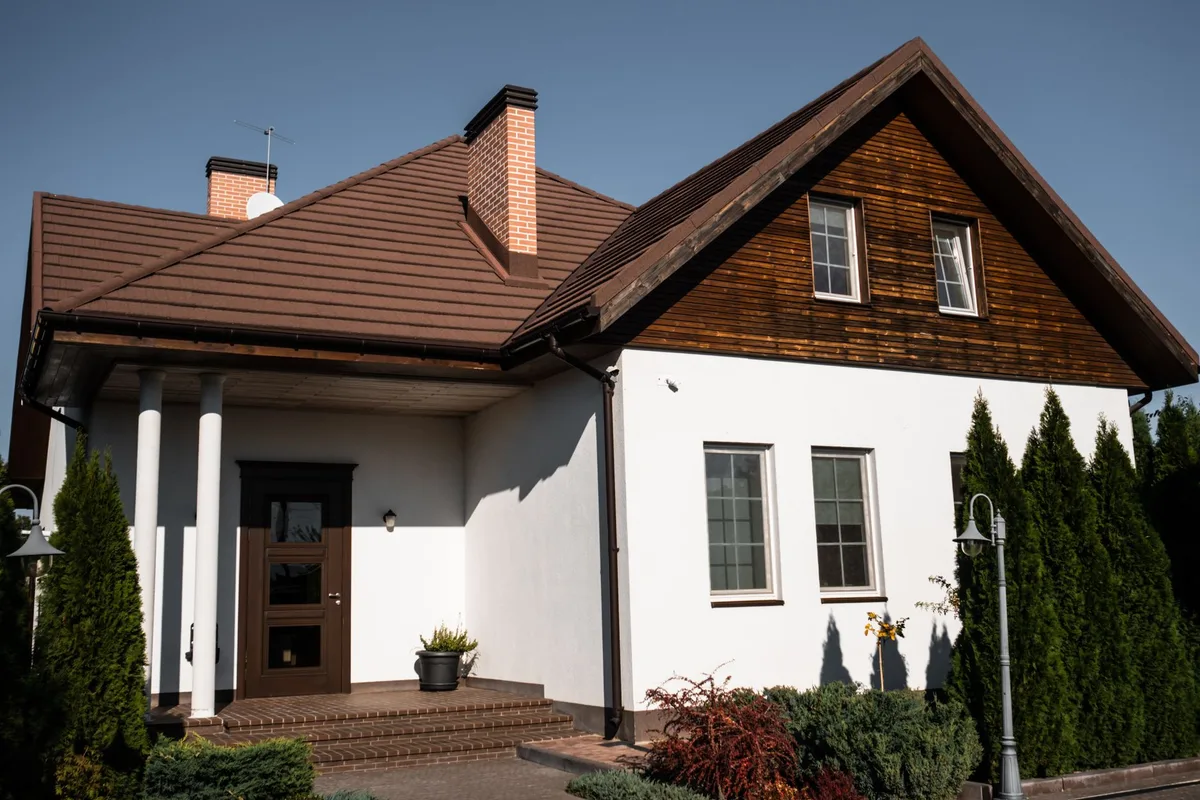
A well-specified and correctly installed silicone render finish on an EWI system usually lasts around 25 years before any significant maintenance is needed. Mineral and acrylic finishes have similar lifespans when maintained, though they may need attention sooner depending on exposure.
What shortens the life of any render finish is poor preparation before application — inadequate priming, boards not properly fixed, or a base coat applied too thinly. Product choice also matters: a top coat that is not matched to the system manufacturer's base coat can delaminate or crack prematurely.
Maintenance is straightforward on an intact system. Silicone render is self-cleaning to a degree, shedding algae and surface dirt in rainfall. A low-pressure rinse every few years keeps the surface clean. If any cracking or separation is noticed, it is worth addressing early — small repairs cost far less than remedial work on a failed section of the system.
What to Look for When Choosing an Ewi Render Installer
Good preparation is the difference between a system that lasts and one that fails within a few years. Before any boards go up, the existing wall surface should be checked for dampness, structural movement, and loose material. Any issues at this stage need resolving before insulation is fixed over them.
Before work begins, it is worth asking the installer how they will handle reveals and openings, how they plan to deal with existing fixings or services, and which product system they are specifying. A reputable installer will name the system, board type, base coat product, top coat product, and explain why it suits your wall. Vague answers about "the best materials" without specifics are a warning sign.
The render product needs to match the wall. A silicone finish on a breathable system performs differently to the same product on a wall with low vapour drive. An installer who assesses the wall before quoting, rather than applying the same product to every job, is one worth using.
Frequently Asked Questions
These are the questions we hear most often about Ewi Render and EWI systems.
Is external wall insulation the same as rendering?
No. Rendering is the application of a render finish directly to an external wall surface. External wall insulation is a full system that adds insulation boards to the outside of the wall first, with render applied over the top as part of the build-up. Ewi Render refers to the render finish used within that system, but the system itself includes adhesive, boards, base coat, mesh, and top coat.
How thick should EWI be?
Board thickness varies depending on the existing wall construction and the U-value target. In practice, EPS boards on residential properties typically range from 60mm to 150mm. The correct thickness for a specific wall is determined by a thermal calculation based on the existing construction, not a fixed rule. An installer should be able to provide or commission this calculation before quoting.
Is EWI silicone render breathable?
Yes. Silicone render has a high vapour permeability rating, which means moisture vapour can pass through the finished surface from the inside out. This is important on an insulated wall because the system must allow the wall to breathe. Trapping moisture within the build-up leads to damp and can damage the insulation over time.
What is the best breathable render?
Silicone render is generally considered the most effective breathable top coat for EWI systems. It combines high vapour permeability with strong water repellency, meaning it sheds rain from the surface while still allowing the wall to release moisture vapour. Mineral render is also breathable and is a reliable option where some flexibility in the substrate is needed.
What is the best waterproof render for external walls?
Silicone render offers the best combination of waterproofing and breathability for most external wall conditions. Acrylic render provides strong waterproofing but lower breathability, which makes it less suitable for insulated walls where vapour management is a priority. For walls that need maximum water resistance without the breathability requirement, acrylic can be appropriate, but product choice should always be matched to the specific wall.
How long will silicone render last?
A silicone render finish on a correctly installed EWI system usually lasts around 25 years with basic maintenance. The actual lifespan depends on surface preparation, product quality, exposure to weather, and whether minor defects are addressed promptly. Silicone render is self-cleaning to a degree, which helps it retain its appearance over time without intensive upkeep.
Get in touch to be connected with a rendering installer who can assess your walls and advise on the right Ewi Render system for your property. Contact us to find an Ewi Render installer or view all rendering services. You can also call City Renderers on +447588418550 for a free, no-obligation quote.