
Types of House Rendering
Choosing the right render for a house involves more than picking a colour. The Types of House rendering available today range from traditional lime and cement mixes through to modern silicone and polymer systems — and each suits different substrates, exposures, and budgets. This guide covers what each system is made from, how it behaves over time, and which properties it suits best.
Why Houses Are Rendered
Rendering protects external walls against weather, damp, and general surface wear. Beyond protection, it gives homeowners a way to cover tired, stained, or mismatched brickwork and achieve a clean, uniform finish.
Modern render systems can also carry an insulation board beneath them as part of an external wall insulation (EWI) system, improving a property's thermal performance and reducing heat loss through solid walls.
The Main Types of Render Available
The principal render types are cement, lime, acrylic, silicone, monocouche, and polymer — each differing in composition, flexibility, and intended use.
Cement-based renders are the most traditional. Lime renders are softer and breathable. Acrylic and polymer renders add flexibility through synthetic binders. Silicone renders take that further with hydrophobic properties. Monocouche is a through-coloured single-coat system. Older properties typically suit lime or flexible acrylic products; modern builds generally tolerate cement-based and monocouche systems well.
Cement Render
Cement render is a sand and Portland cement mix that has been used on external walls for well over a century. It is applied in two or three coats, scratch-coated between layers, and finished by hand or with a float.
Its main limitation is rigidity. Cement render is prone to cracking as a building moves seasonally or as the substrate expands and contracts with temperature change. Hairline cracks allow water ingress, which can accelerate deterioration.
It still makes sense where budget is the primary constraint, where walls are very stable and unlikely to move, or where a subsequent decorative coat will be applied over the top.
Lime Render
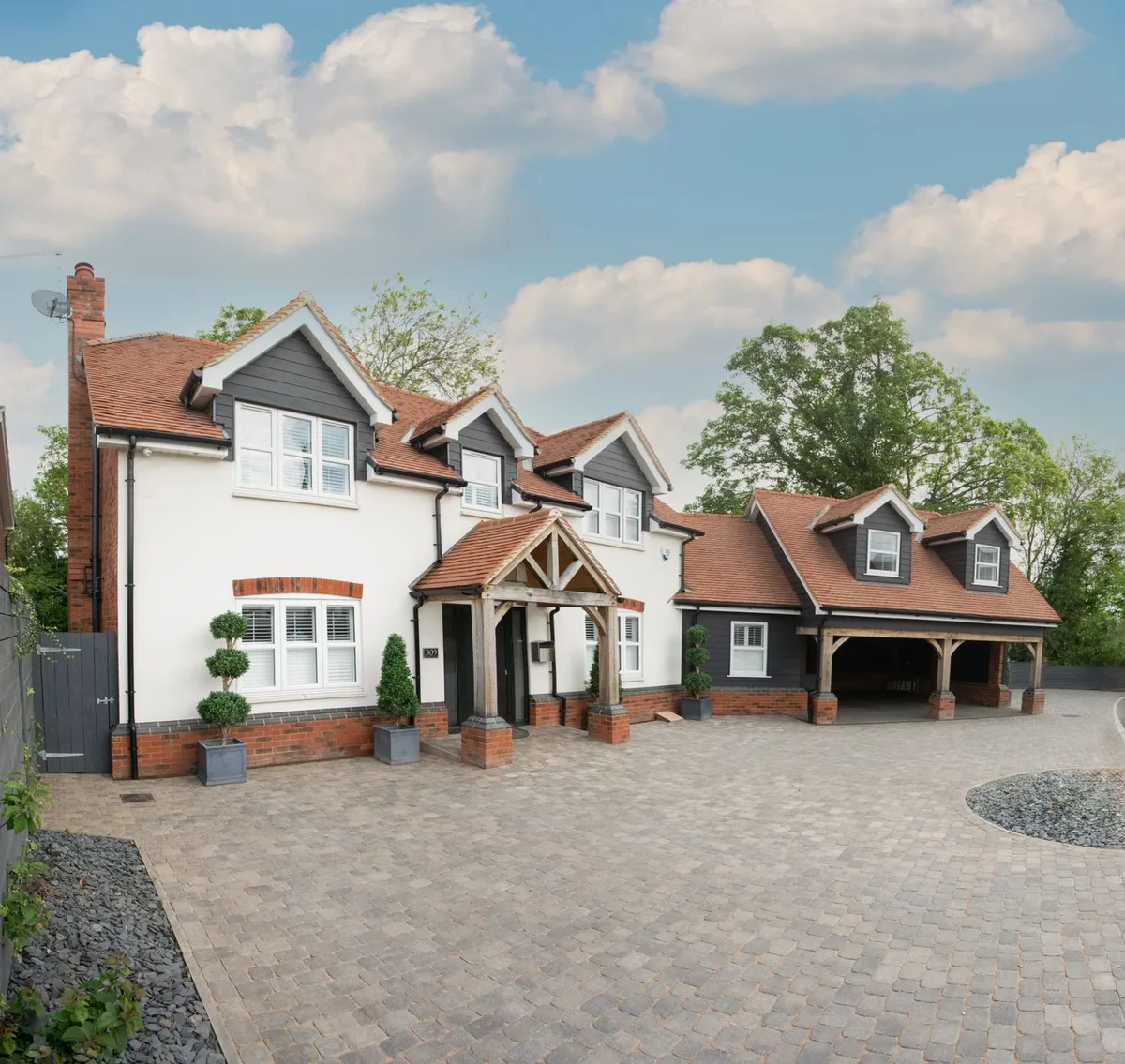
Lime render is made from lime putty or hydraulic lime mixed with sand and sometimes fibrous additives. Its defining characteristic is breathability: lime is vapour-permeable, which means moisture within the wall can escape rather than being trapped behind an impermeable coating.
This breathable nature makes lime render the traditional and technically correct choice for period properties built with lime mortar, where a cement render coat would seal in moisture and cause accelerated decay to the underlying masonry.
Maintenance considerations differ from modern renders. Lime weathers slowly and may need periodic lime-wash or patching, but minor repairs blend naturally if the mix is matched correctly.
Acrylic Render
Acrylic render is a cement-based product modified with acrylic polymers, which gives it significantly more flexibility than a straight cement mix. That flexibility reduces the risk of cracking under normal building movement.
It is available in smooth and textured finishes and comes in a wide range of colours, with pigment mixed through the product rather than applied as a separate coat. Acrylic render is durable and easier to maintain than plain cement, making it a popular choice for both new builds and refurbishment work where lime is not required.
Silicone Render
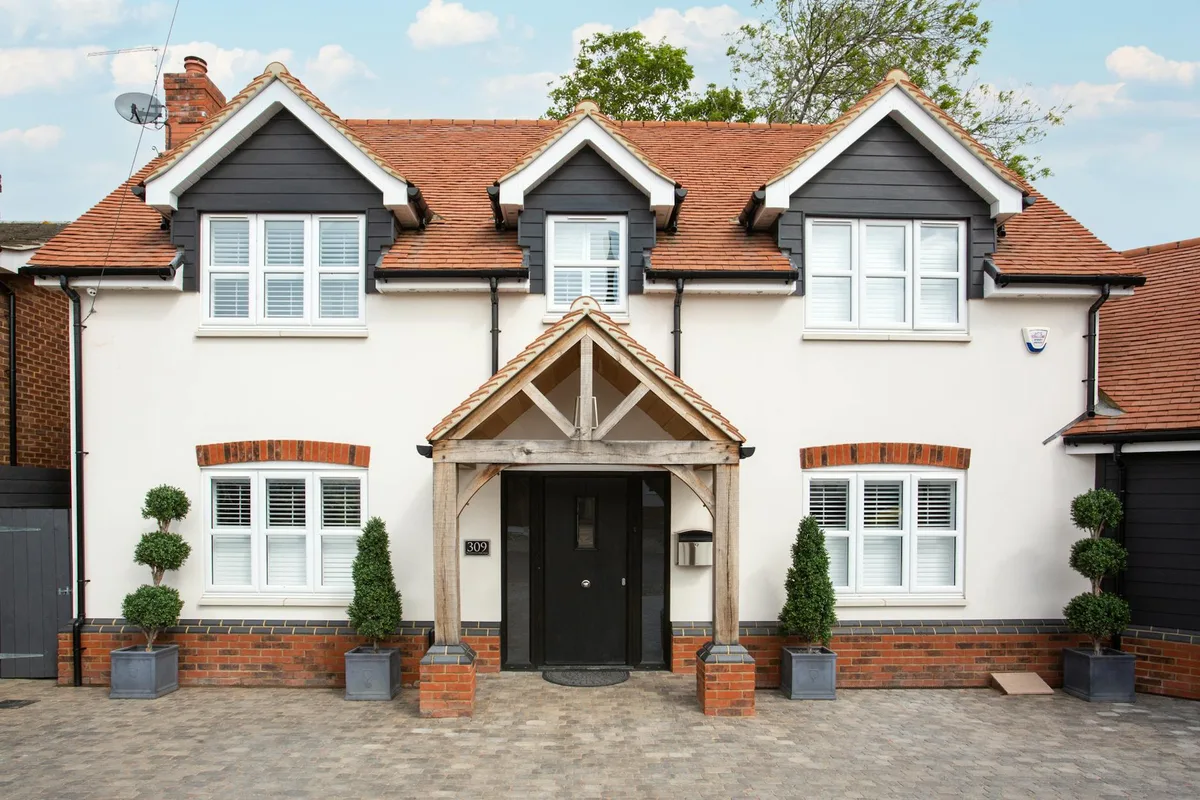
Silicone render is a pre-mixed, ready-to-apply render system built around a silicone polymer base. Its hydrophobic matrix repels water while remaining vapour-permeable, giving it strong weather-resistant performance without trapping moisture in the wall.
The same silicone chemistry gives it self-cleaning properties: rain washes surface dirt away rather than allowing it to bond into the texture. Colour is integral throughout the mix, which contributes to long colour retention compared with painted or thin-coat decorative finishes.
Silicone render is available in smooth and textured options and a wide range of colours. It is one of the most popular systems for exposed elevations where long-term weather resistance and appearance matter. For more detail on the installation process, see our House rendering service.
Monocouche and Polymer Renders
Monocouche render is a single-coat, through-coloured cement-based system. Because the colour runs through the full depth of the coat rather than sitting on the surface, chips and scuffs are less visible than with a separately painted finish.
Polymer render is similar in composition to acrylic render but uses a wider range of synthetic polymer binders, often giving it greater flexibility and adhesion across difficult substrates. Polymer products are commonly used as the base coat in EWI systems, where adhesion to insulation board and subsequent mesh layers needs to be reliable.
Monocouche suits modern builds and properties where a clean, low-maintenance through-colour finish is the priority. Polymer render suits refurbishment and insulation system applications where flexibility is critical.
What Affects How Long Render Lasts
Surface preparation is the single biggest factor in render lifespan. A render applied to a dusty, contaminated, or structurally unstable substrate will fail early regardless of the product used.
Weather exposure matters too. Elevations facing prevailing rain and wind experience greater stress than sheltered walls, which is one reason silicone and polymer products are often specified for exposed faces.
Older properties move more than modern ones, particularly where foundations have settled over decades. This movement puts stress on any inflexible coating, which is why breathable and flexible systems are generally recommended for period buildings.
Signs that render needs attention include hairline cracking, hollow sections (identified by tapping), visible staining through the surface, and areas of localised bulging.
Disadvantages of rendering to Consider
Using the wrong render type on an older wall is one of the most common causes of early failure. A cement render applied over lime mortar traps moisture, accelerating decay in the masonry behind it. Removal is disruptive and more costly than the original application.
Some render systems, if poorly applied or left damaged, can trap moisture rather than repelling it — particularly if cracks are left unattended and allow water to penetrate behind a surface that then remains wet.
Cost and disruption of removal are worth factoring in at the specification stage. A render that lasts is far more economical than one that needs stripping and replacing within a few years. Our Does rendering a house add value guide covers the financial picture in more detail.
Choosing a Finish and Colour
Smooth finishes give a contemporary, clean appearance and suit modern architectural styles. Textured finishes — including scraped, pebble-dashed, or roughcast options — provide better grip and tend to disguise minor surface irregularities more effectively.
Modern silicone and acrylic systems offer a wide range of colour options with integral pigmentation, meaning the colour will not peel or fade in the same way a surface-applied paint would. Lighter colours tend to show algae growth more quickly on shaded elevations; mid-tone colours generally offer the best balance of appearance and maintenance over time.
Textured finishes collect more surface debris than smooth ones, so the maintenance requirement is worth considering when specifying.
Why are some houses rendered?
Houses are rendered primarily for protection and appearance. Render forms a weather-resistant barrier over external walls, reducing water ingress, damp penetration, and surface erosion. It also allows homeowners to unify or refresh the exterior appearance of a property, covering brickwork that has become stained, damaged, or visually inconsistent over time.
What are the disadvantages of rendering?
The main risks are cracking if an inflexible render is applied to an older, moving wall; moisture trapping if the wrong product is used or damage is left unrepaired; and the cost and disruption involved in stripping a failed render. Matching existing render for repairs can also be difficult if the original mix or texture is no longer available.
What time of year should you render a house?
Rendering should be carried out when temperatures are consistently above 5°C and not expected to drop below freezing overnight during the curing period. Spring and early autumn are generally preferred. Wet or windy conditions accelerate drying unevenly and can compromise adhesion. Very hot, direct sunlight can dry the surface too quickly, increasing the risk of shrinkage cracking.
If you are weighing up which render type suits your property, our House rendering cost guide covers the factors that affect price. Contact us to find an installer who can advise on the right render type for your property.