
Can You Put Silicone Render Over Sand and Cement
Can You Put Silicone Render over Sand and Cement?
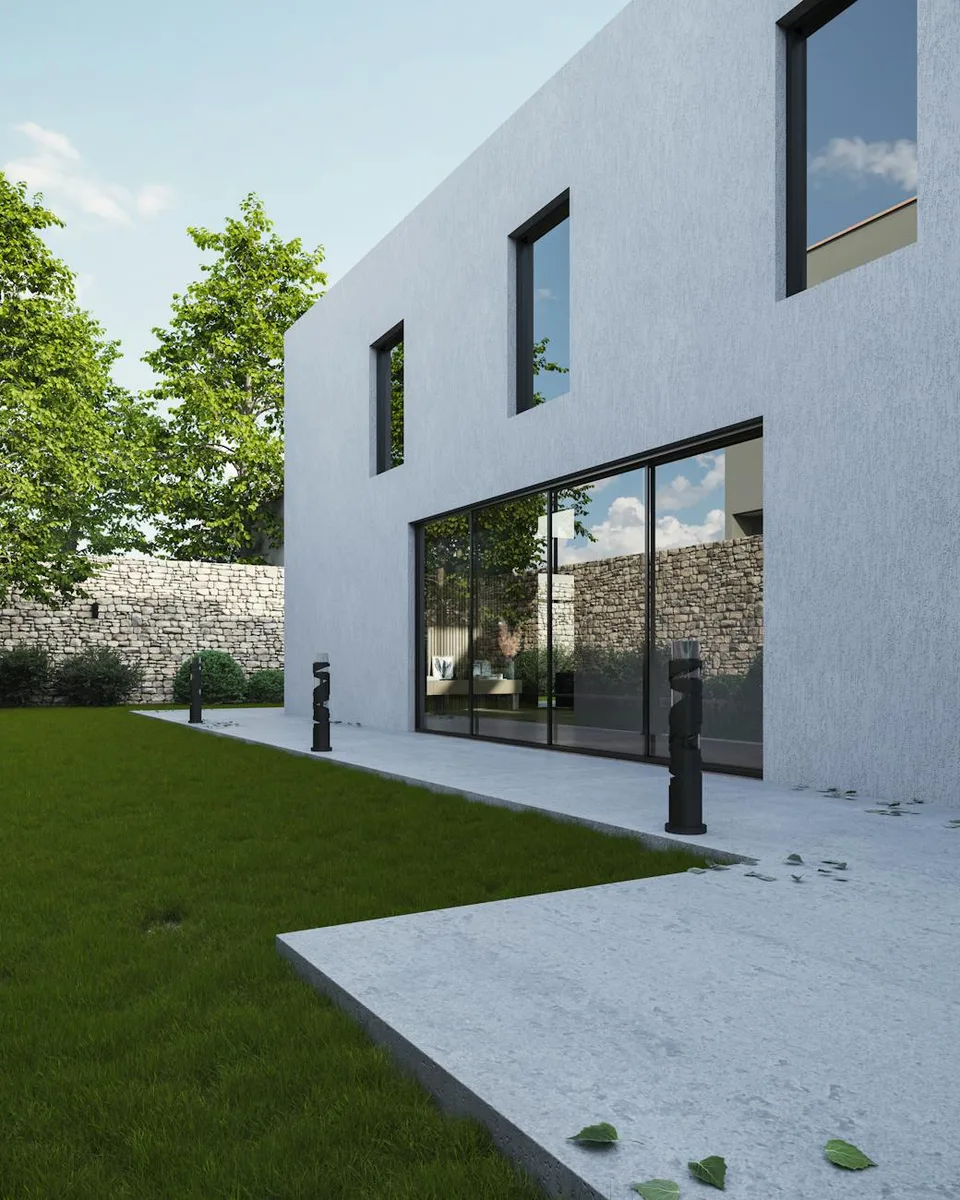
Yes — applying silicone render over an existing sand and cement base coat is a recognised and widely used approach, provided the substrate beneath is sound, stable, and properly prepared. Silicone render is a finishing coat, not a base coat. It is designed to sit on top of a firm, cured substrate and deliver a flexible, weather-resistant surface. The sand and cement layer is doing the structural work; the silicone is providing the finish. Understanding that distinction is the starting point for any decision about whether to go over an existing base or strip back and start fresh.
For a broader view of how silicone render performs as a system, the pros and cons of silicone render guide covers the material in detail.
What Conditions the Sand and Cement Must Meet First
The existing render must be fully cured, dry, and mechanically sound before any silicone finish coat goes over it. That means no active moisture, no residual dampness from rain or condensation, and no sections that sound hollow when tapped. A hollow spot signals that the render has lost its bond with the wall behind — and applying a new coat over the top will not fix that. It will simply transfer the problem to the new finish.
Before work begins, the surface should be checked thoroughly:
- Tap test the whole area — hollow panels need cutting out and making good
- Look for cracks — hairline cracks may be acceptable with correct priming; wider structural cracks need filling first
- Check for contamination — old paint, oil, algae, or dust will prevent adhesion
A primer or bonding coat is almost always required when applying silicone render over sand and cement. Primers regulate suction across the surface, which directly affects how evenly the silicone coat takes. Skipping this step is one of the most common reasons a silicone finish coat performs poorly on an existing base.
Why People Choose to Render over Existing Render
The most straightforward reason is cost. Stripping back old sand and cement render is labour-intensive, creates waste, and adds time to a project. When the existing base coat is in reasonable condition, going over it rather than removing it can save money without compromising the result.
There is also the finish itself. Sand and cement render is functional but not particularly attractive in its bare state. Applying a silicone coat over it delivers a smooth, modern appearance — often in a through-colour that does not need painting — without the disruption of a full strip-back.
For commercial properties in particular, the ability to refurbish a façade while keeping the building operational is worth a great deal. A sound base coat means the project stays on schedule and within budget.
When You Should Not Apply Silicone Render over Sand and Cement
There are situations where going over the existing coat is the wrong call, and a full removal is the only sensible option.
Blown or heavily damaged render is the clearest case. If large sections have debonded from the wall, there is no substrate worth preserving. Applying silicone over blown render simply delays an inevitable and more expensive failure.
Trapped moisture is a serious risk. If the wall behind the sand and cement is damp, from a leak, rising damp, or inadequate drying time after rain, sealing it with a silicone coat can lock that moisture in. Silicone render is vapour-permeable to a degree, but it is not a remedy for an actively wet wall.
Painted or contaminated surfaces present an adhesion problem. Old masonry paint, bitumen coatings, or heavily chalking surfaces prevent the silicone render from bonding properly, even with a primer coat. In these cases the paint needs removing before any finish coat is considered.
What Are the Disadvantages of Silicone Render Applied over Old Render
The main disadvantage is that the finish coat inherits whatever weaknesses exist in the base coat beneath it. Hidden problems, minor cracking, patchy adhesion, areas of variable porosity, are not eliminated by covering them. They transfer.
Any movement in the sand and cement layer will telegraph through to the silicone finish over time. Silicone render is more flexible than sand and cement, which helps, but it cannot compensate for a base coat that is actively moving or shifting.
Combined coat thickness is also worth considering. Each additional layer of render adds to the overall build-up on the wall. Where windows, door frames, and reveals are concerned, excessive thickness can affect how trims and beads finish. This needs accounting for at the planning stage.
For a comparison of how silicone performs relative to other finish coat types, see the silicone render vs acrylic render guide.
Common Problems That Appear After Silicone Render Is Applied over Sand and Cement
Delamination, where the finish coat lifts away from the base, usually traces back to preparation. Insufficient priming, a dusty surface, or residual dampness are the typical causes. Once delamination begins, it tends to spread.
Cracking patterns that follow the joints or cracks in the sand and cement beneath are another common sign that the base was not properly addressed before the finish coat went on. The crack is in the substrate; the silicone is just showing where it is.
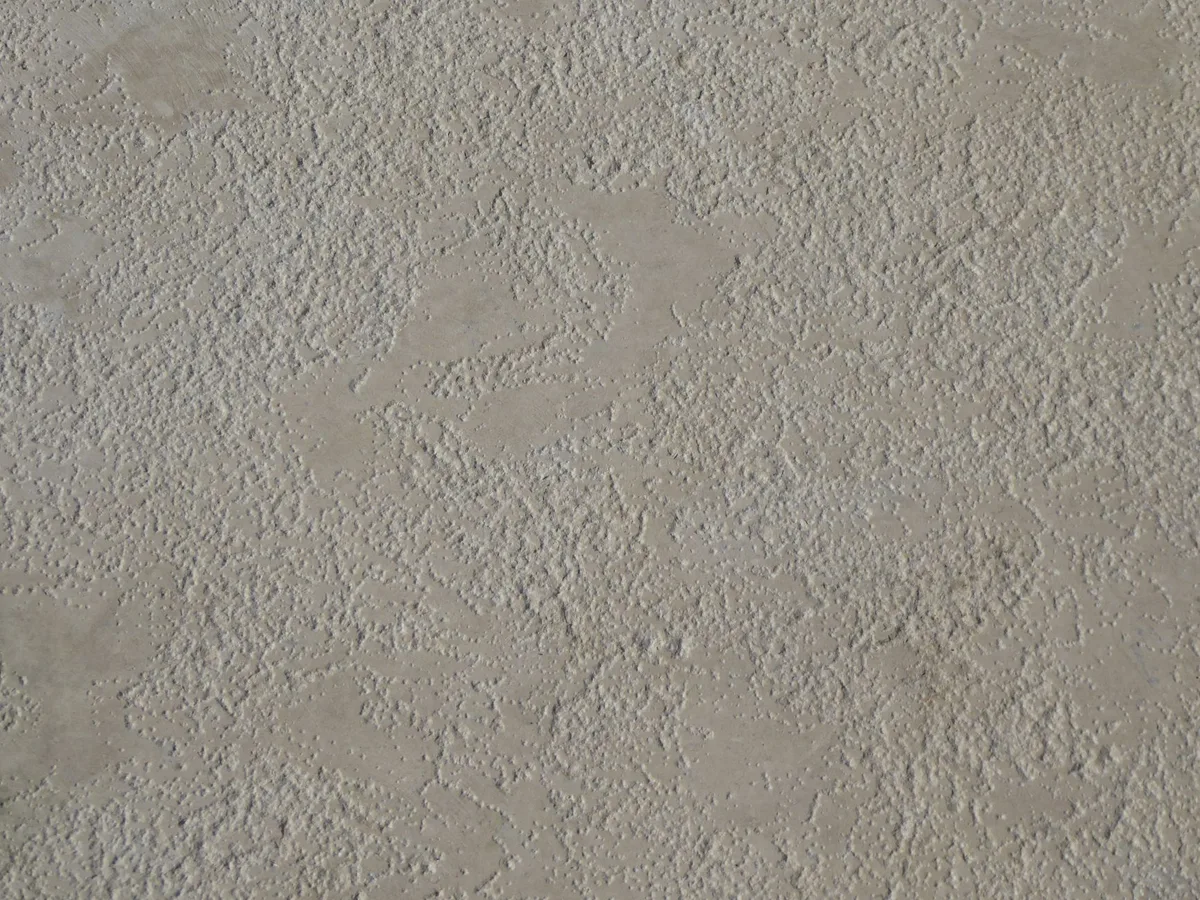
Patchy or uneven finish often results from variable suction across the base coat. Areas of old repair, different mixes, or sections that have aged differently will absorb the silicone coat at different rates. A correctly specified primer coat is the primary defence against this.
How Long Silicone Render Lasts When Applied over Sand and Cement
Modern silicone render applied over a well-prepared substrate usually lasts around 25 years before any significant maintenance is needed. That figure is realistic when the base coat is sound and the preparation work has been done properly.
When the substrate is compromised, that lifespan shortens considerably. A finish coat applied over a base with hollow sections, residual moisture, or inadequate priming may begin showing problems within a few years. The silicone product itself is not at fault, the failure is in what sits beneath it.
Longevity also depends on the specification of the system: grain size, number of coats, and the specific formulation all play a role. A silicone render cost guide covers these variables in more detail.
Other Questions About Rendering over Existing Surfaces
Rendering over existing render is not always the right choice, and it is worth setting it against the alternative. Starting fresh, stripping back to the masonry and building up from scratch, gives complete control over every coat and removes all uncertainty about what is hidden beneath. It costs more, but it delivers certainty.
Building sand is not suitable as the sole aggregate for a render mix. It lacks the angular particle shape and consistency needed for a stable coat. Rendering sand or sharp sand, properly gauged with cement, is the standard approach for a base coat.
Render should not make contact with the ground or floor level. A gap, typically at least 150mm, is left at the base to prevent moisture wicking up from the ground into the render system. Finishing tight to the floor is a common oversight that can lead to ongoing damp problems at the base of the wall.
Frequently Asked Questions
These questions come up regularly when homeowners and property managers are deciding how to approach an existing sand and cement wall.
Can I Render on Top of Existing Render?
Yes, in most cases it is possible to render on top of existing render, provided the base coat is firmly bonded, fully cured, and free from significant cracking or hollow areas. A primer coat is usually required to regulate suction and ensure adhesion.
What Are the Disadvantages of Silicone Render?
Silicone render's main disadvantages are its reliance on thorough preparation and its sensitivity to what lies beneath. It is a finishing coat, not a corrective one. Any weakness in the substrate will eventually show through the finish. It also costs more than traditional sand and cement as a finish material.
What Are Some Common Problems with Silicone Render?
The most common problems are delamination, cracking that mirrors the substrate, and patchy colouration caused by uneven suction. All three typically trace back to preparation issues rather than faults in the silicone product itself.
How Long Will Silicone Render Last?
Applied over a well-prepared substrate, silicone render usually lasts around 25 years. Over a poorly prepared or damaged base coat, that lifespan can be significantly shorter.
Should Render Touch the Floor?
Render should not touch the floor. A gap of at least 150mm from ground level is standard practice, leaving space to prevent moisture from wicking upward into the render system.
Can You Use Building Sand for Render?
Building sand is not suitable for render on its own. It lacks the particle shape needed for a stable, durable coat. Rendering sand or a properly graded sharp sand, combined with cement at the correct ratio, is the standard base coat material.
Our silicone rendering service covers this kind of assessment as part of the quoting process. If you are unsure whether your existing sand and cement render is ready for a silicone finish coat, contact us and we can connect you with an installer who can assess your wall directly. Call +447588418550 for a free quote.