
Render Cleaning
Render Cleaning is the process of removing organic growth, staining and discolouration from rendered walls and other exterior surfaces. Over time, rendered facades accumulate algae, moss and biological deposits — particularly in damp or shaded positions. A professional clean restores the appearance of the surface and helps protect the underlying render from long-term damage. Get in touch about Render Cleaning to discuss your property.
What Render Cleaning Involves
Render Cleaning specifically targets the removal of organic growth, stains and discolouration from rendered exterior surfaces — it is not the same as a general exterior wash. Rendered walls are porous, which means algae, moss and airborne spores find them an easy surface to colonise. Over time, biological build-up works into the surface texture, causes discolouration, and can hold moisture against the wall. A targeted cleaning treatment addresses the growth itself, not just its visible effects.
Soft Washing Versus Pressure Washing for Rendered Walls
Soft washing uses low-pressure water combined with a specialist cleaning solution — typically a biocide or surfactant mix — to treat organic growth at the source rather than blasting it off the surface. The chemical agent breaks down algae, moss and mould at a biological level, so the surface stays cleaner for longer.
Pressure washing applies high-force water to strip the surface, which carries real risks on rendered walls: it can erode the surface texture, blow out hairline cracks, force water behind the render coat, and trigger damp problems inside the wall. For most rendered surfaces, soft washing is the appropriate method.
Pressure washing may be considered on very robust surfaces with heavy build-up, but only after a careful condition assessment. Where render is already showing signs of wear, cracking or delamination, high-pressure water should be avoided entirely.
How the Render Cleaning Process Works
A professional Render Cleaning job begins with a close inspection of the surface — checking for existing cracks, areas of delamination, and the type and extent of biological growth present.
Once the condition is confirmed, a suitable biocide or cleaning solution is applied at low pressure and left to dwell. Dwell time varies depending on the severity of growth and the product used, but the chemical needs sufficient time to break down organic matter before rinsing begins.
After rinsing, a post-treatment biocide is often applied to slow regrowth. Waste wash water containing cleaning chemicals is managed carefully on site — responsible operators contain run-off where practical and avoid treating in conditions where chemical dispersal into drains or watercourses is likely.

What Types of Stains and Growth Can Be Removed
The most common targets for Render Cleaning are organic: algae (typically green or black streaking), moss (raised, textured growth on ledges and textured finishes), lichen (a tougher, bonded growth that often needs repeated treatment) and mould (dark patchy discolouration, common on north-facing or shaded elevations).
Non-organic staining is also treatable in many cases. Pollution marks and atmospheric soiling respond well to a cleaning solution. Rust runs — caused by corroding fixings, window frames or railings, and hard water deposits from overflow pipes are also addressable, though they may need a specialist cleaning process or more than one treatment to shift fully.
Some deep staining, particularly from long-term rust or chemical contamination, may not clear completely through surface cleaning alone.
Surfaces That Can and Cannot Be Cleaned This Way
Rendered walls are the primary surface type for this cleaning process. Brick, cladding panels and masonry can also be treated using soft washing, provided the surface is sound.
Surfaces that warrant caution include older or friable lime renders, which can be sensitive to biocide chemistry. Painted render should be assessed carefully before treatment, as some cleaning agents can affect paintwork. Surfaces already showing significant cracking, hollow areas, or active damp should be assessed for repair before cleaning, applying water or chemical treatment to a failing surface can worsen the underlying problem rather than improve it.
The condition of the surface always dictates which method and product is appropriate. A proper assessment before any treatment begins is not optional.
What Affects How Often Render Needs Cleaning
Position has the biggest influence. North-facing elevations, shaded walls near trees, and surfaces in high-rainfall areas accumulate organic growth faster than south-facing or well-ventilated walls.
The render type and texture also play a role. Coarse, textured finishes, such as scraped or roughcast renders, provide more surface area for spores to anchor. Smooth or silicone-based renders tend to repel water more effectively and generally need less frequent attention.
Preventative treatments applied after a clean can extend the time before regrowth takes hold. A biocide post-treatment, properly applied, makes the surface inhospitable to algae and moss for a period after cleaning. The duration of that protection depends on the product, the surface, and the environmental conditions the building is exposed to.
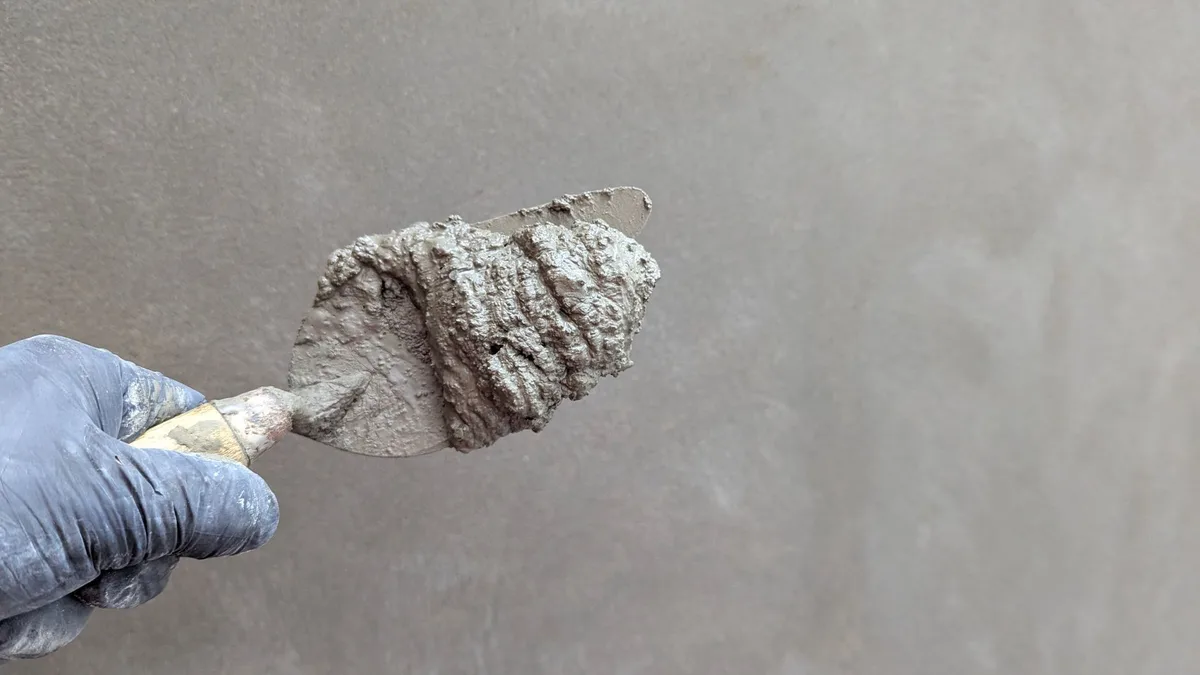
What to Expect From a Professional Render Cleaning Service
Before any cleaning begins, a professional service will carry out a surface assessment, checking the condition of the render, identifying the growth types present, and selecting the appropriate cleaning method and products.
Chemicals are chosen to match the surface and the contamination type. Application is usually by low-pressure sprayer, working methodically across the elevation. Where access is required at height, appropriate equipment is used to reach all areas without missing sections or causing accidental damage.
After the cleaning process, the operative should walk the surface with you to confirm the result and provide aftercare advice. If the assessment reveals cracking, delamination or areas of render failure, a clean alone will not address those issues, a specialist will flag them and recommend whether repair work is needed before or after treatment.
rendering services overview for information on render repair, installation and related work.
Frequently Asked Questions
The two questions below come up regularly when people are planning a Render Cleaning project.
What is the best way to clean render?
Soft washing, low-pressure water combined with a biocide or specialist cleaning solution, is widely regarded as the most effective and safest method for rendered surfaces. It treats organic growth at the source rather than stripping the surface physically, which means results last longer and the risk of surface damage is low. The right product and dwell time depend on the growth type and render condition, so a surface assessment before treatment is always worthwhile.
What happens if you don't rinse off sodium hypochlorite?
Sodium hypochlorite left to dry on a rendered surface can cause bleaching, residue marks and surface degradation over time. It can also harm surrounding plants, stonework and metal fixings if allowed to run off without being rinsed down. Proper rinsing is a standard part of any responsible cleaning process, the solution is applied, given adequate dwell time, then flushed thoroughly with clean water before it dries or migrates beyond the treated area.
Ready to Have Your Exterior Assessed?
Get in touch about Render Cleaning to be connected with a rendering specialist who can assess your exterior and advise on the right cleaning approach for your property. City Renderers passes enquiries directly to vetted specialists, call +447588418550 for a free, no-obligation conversation about what your building needs.