

Rendering Pebbledash: Professional Removal, Repair and Overcoating
One of the most common exterior challenges we tackle at City Renderers involves rendering pebbledash — whether that means stripping it back completely, repairing damaged sections, or applying a fresh render system directly over the top. Backed by 6 years of experience, CSCS and K Rend accreditation, and a 10-30 Years Coating warranty, our team handles every stage of the process from first assessment through to final inspection. Book a free site visit today and we'll tell you exactly what your property needs.
Pebbledash has been a feature of UK housing stock for decades. Some properties suit a clean overcoat. Others need sections cutting back and rebuilding before any new finish goes on. Getting that initial diagnosis right is what separates a finish that lasts from one that fails within a few years — which is why we always start with a proper site assessment, not a phone-based estimate.
Our Pebbledash Render Services
From full strip-back to decorative overcoating, City Renderers offers a complete range of rendering pebbledash work for residential and commercial properties.
Pebbledash Render
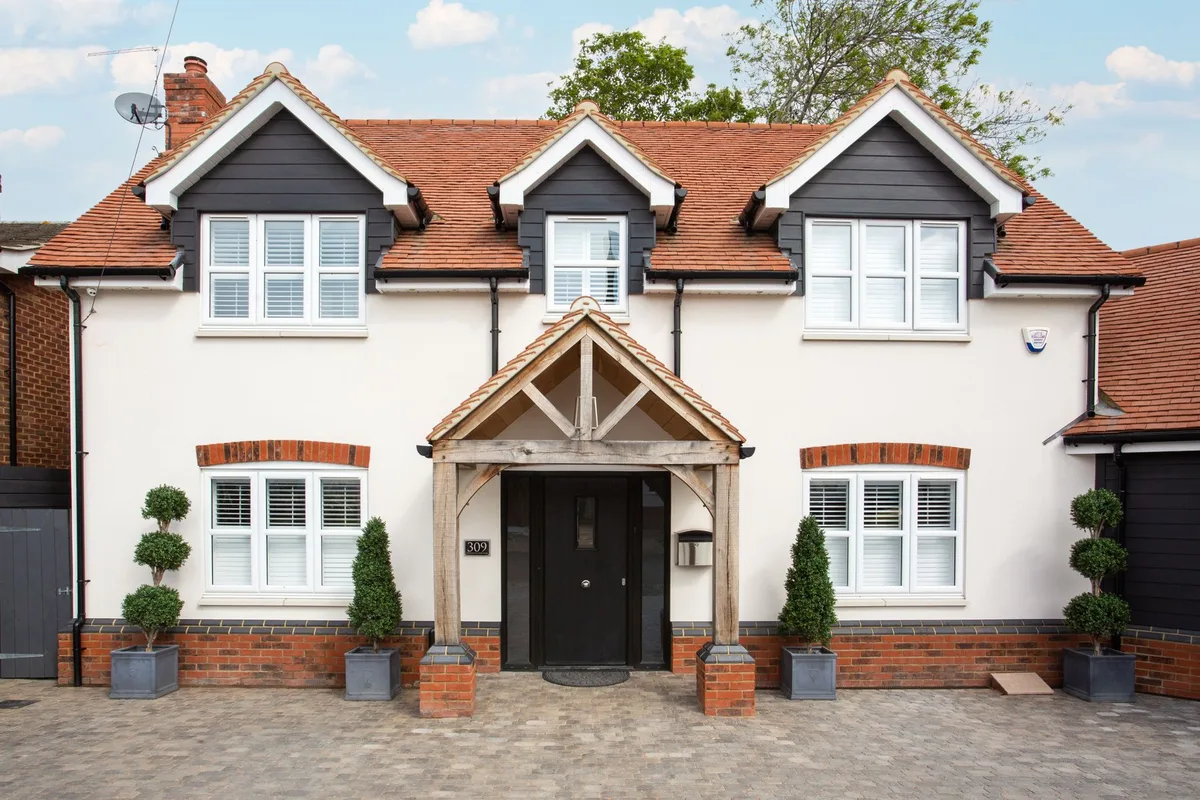
Where the existing pebbledash is structurally sound — no hollow sections, no significant cracking, no moisture ingress behind the coat — a fresh render system applied directly over the top is the most cost-effective approach. We prepare the surface thoroughly, apply the correct basecoat specification, and finish with a K Rend silicone topcoat or comparable system. The result is a weatherproofed, cleanable exterior that looks nothing like the original pebbledash beneath it.
- Full surface inspection before any product is applied
- Scratch and flick coat preparation where the profile requires it
- K Rend silicone finishes available in a wide colour range
- 10-30 Years Coating warranty on qualifying systems
Pebbledash Render Repair
Cracked, hollow, or spalling pebbledash doesn't always require a full strip. Localised damage — around windows, at ground level, or along a single elevation — can be addressed through targeted repair that keeps costs proportionate to the actual problem. We cut out the failing material, re-key the substrate, build the repair back in matching layers, and blend the finish as closely as the original allows.
- Hollow-sounding sections cut back to the masonry
- Matching aggregate used where a like-for-like repair is requested
- Repairs tied correctly into adjacent sound pebbledash
- Written quote covering exactly which areas are affected
Rendering Over Pebbledash
This approach is popular when the existing coat is intact but the finish has aged beyond what cleaning can resolve. It avoids the disruption and waste of a full removal, and with the right basecoat preparation it produces a result as durable as a fresh substrate. Our team assesses adhesion and profile before recommending this approach — not every surface is a suitable candidate, and we'll tell you honestly if yours isn't.
Key factors we check before rendering over pebbledash:
- Bond strength of the existing coat to the masonry behind
- Presence of any hollow areas that would undermine adhesion
- Whether the pebble profile needs bridging before basecoat application
- Moisture readings at multiple points across the elevation
Pebbledash Removal
Sometimes the right answer is a clean start. Where pebbledash is badly bonded, heavily cracked, or concealing damp problems in the masonry behind, complete removal gives the wall a fresh substrate to work from. This is the more disruptive option, but it also means the finished render system has nothing compromised underneath it.
Our removal process uses appropriate mechanical and hand tools depending on the substrate — avoiding damage to the masonry that would add cost at the repair stage. Once the wall is clean, we allow it to dry, assess the brick or block beneath, and specify the correct render build-up from scratch.
Removing Pebbledash and Render
Some properties have accumulated multiple layers: original pebbledash, a later sand-and-cement render coat, and possibly a painted finish on top. Careful sequencing is needed to avoid pulling the face off soft bricks when removing multiple layers together. We assess each layer independently, remove in the correct order, and inspect the masonry between stages before committing to the next phase of work.
This approach is particularly common on older properties where the original pebbledash was applied over lime-mortared brickwork. Rushing that removal causes damage that costs more to fix than the removal itself.
Professional vs DIY Approach
| Aspect | Professional rendering | DIY Approach |
|---|---|---|
| Finish Quality | Consistent, commercially applied finish with correct coat thicknesses | Likely variable, coat thickness hard to control without specialist equipment |
| Coverage Uniformity | Even coverage achieved through professional spray or hand application techniques | Patchy coverage common, particularly over textured pebbledash profiles |
| Application Method | Matched to substrate and product specification, machine or hand as required | Typically hand application with limited product compatibility knowledge |
| Preparation Required | Full substrate assessment, hollow section removal, correct keying, all included | Preparation often underestimated; inadequate prep is the leading cause of render failure |
| Suitability for Commercial Scale | Suitable for any scale, single elevation to full multi-storey façade | Practical only for very small repairs; unsuitable for commercial or multi-storey work |
| Typical Use Cases | New render over pebbledash, full removal and re-render, repair, commercial property finishing | Minor cosmetic touch-ins on domestic properties only |
How We Approach Every Project
No two pebbledash properties present the same challenge. The sequence below describes how we work through a typical project, though the exact stages depend on what the initial assessment reveals.
- Site visit and assessment — We visit the property, inspect the existing pebbledash across all elevations, check for hollow sections, moisture, and structural issues behind the coat. This is always free and always done in person.
- Written specification and quote — Based on what we find, we produce a written quote that names the products, the preparation required, and the scope of work. No verbal estimates. We respond within 24 hours of the site visit.
- Preparation — Hollow sections are cut back, cracks are made good, and the surface is prepared to the standard the specified render system requires. This stage takes as long as it takes, cutting corners here is what causes premature failure.
- Application — Basecoat and topcoat applied to specification, with the correct cure time observed between coats. K Rend systems are applied in accordance with manufacturer requirements to protect the warranty.
- Inspection and handover — We walk the finished work with the client or property manager, confirm the warranty documentation, and make good any access scaffolding or equipment.
Book a free site visit today, we'll work through stages one and two at no cost or obligation.
What Sets Our Pebbledash Rendering Apart
City Renderers was built specifically around this type of work. That focus shapes how we approach every enquiry.
- CSCS and CITB accreditation — our operatives carry the correct cards for the work they're doing on your property
- K Rend approved applicators — meaning the 10-30 Years Coating warranty is valid, not contingent on a future inspection
- 6 years of specialist experience — specifically in pebbledash render work, not a general building service that picks up rendering as a sideline
- Written quotes as standard — the price we quote is the price you pay, subject only to unforeseen structural problems that we'll flag before proceeding
- Honest assessment first — if rendering over your pebbledash isn't suitable, we'll say so and explain why, rather than take on a job that won't hold
How Much Does Pebbledash Rendering Cost?
Every project is quoted individually. Costs depend on a combination of factors, and any contractor quoting a price without a site visit is working from assumptions that may not match your property.
Main cost factors include:
- Surface area — total square meterage across all elevations being treated
- Condition of the existing pebbledash — sound surfaces require less preparation than those with significant hollow sections or cracking
- Scope of work — overcoating costs less than full removal; targeted repair costs less than a full elevation
- Access requirements — scaffold, towers, or specialist access equipment adds to the project cost depending on working height
- Render system specified — silicone systems with longer warranties sit at a higher price point than standard sand-and-cement finishes
- Preparation depth — some substrates need considerably more work before any render can be applied
Get an accurate figure by booking a free site visit. We respond within 24 hours to arrange a convenient time, and the written quote comes within 24 hours of the visit itself.
Frequently Asked Questions
Q: Can you render over pebbledash without removing it first?
Yes, in many cases rendering over pebbledash is entirely viable and produces a durable, weather-resistant finish. The critical factor is the bond strength of the existing coat to the masonry behind it. We test this during the site visit using a standard hollow-tap method across all elevations. Where sections have lost adhesion, we cut those back before applying the new system. Where the existing coat is sound, it provides a workable base.
Q: How do you know whether removal or overcoating is the right approach?
The decision comes down to what the site visit reveals. If the existing pebbledash is broadly sound, no significant hollows, no active moisture behind the coat, no structural movement in the wall, overcoating is usually appropriate. If there are widespread bonding failures or the substrate behind the pebbledash needs attention, removal is the safer route. We explain our reasoning in writing as part of the quote.
Q: What is included in your 10-30 Years Coating warranty?
The warranty applies to qualifying render systems installed in accordance with the manufacturer's specification, which is why our K Rend accreditation matters. The exact warranty term depends on the product system selected and the surface it's applied to. We confirm the applicable warranty in writing before work begins, so there are no surprises at handover.
Q: How long does pebbledash removal take?
Project timelines vary with the size of the property, the number of elevations being stripped, and what the masonry looks like once the pebbledash comes off. A single-fronted terrace is a very different proposition to a detached house with four elevations. We include a realistic programme in every written quote so you can plan around the work.
Q: Do you work on commercial properties?
Yes. City Renderers works across residential and commercial property types, including retail units, industrial buildings, office premises, and mixed-use developments. The same assessment, specification, and warranty process applies regardless of property type. If you manage a portfolio or are dealing with a larger-scale project, contact us to discuss how we approach multi-elevation or phased programmes.
Areas We Cover
City Renderers operates across a range of locations. See the full list of areas we cover to check whether we work in your area.
If your property has pebbledash that needs attention, whether that's overcoating, targeted repair, or full removal, the first step is a site visit. It costs nothing, and it gives us the information we need to quote accurately.
Book a free site visit today and we'll assess the condition of your pebbledash, explain what the work involves, and send you a written quote within 24 hours.
Not ready to commit to a visit? Request Your Free Quote online and we'll follow up to discuss your project in more detail.