
K Rend Colours
Choosing the right colour for a render project is one of the most consequential decisions a property owner makes, and K Rend Colours offer a wide enough range to suit almost any building. Because the colour is part of the material itself rather than a coating applied afterwards, the choice you make at the start is the finish you live with for many years.
What K Rend is and why colour is built in
K Rend is a silicone render with colour mixed through the material itself, not applied on top as a paint or coating. That distinction matters because on a painted render system the surface coat eventually weathers, flakes, or needs repainting. With K Rend, the pigment is integral to the render mix, so the colour exists throughout the thickness of the applied layer rather than sitting on the surface alone.
This makes it fundamentally different from sand-and-cement renders that are painted after curing. It also removes the ongoing maintenance cycle of repainting every few years to maintain appearance.
The available range covers neutrals, greys, whites, off-whites, creams, and earth tones, giving specifiers enough choice to suit most property types and planning requirements.
The main colour families available in K Rend
The colour range broadly divides into whites and creams, grey tones, and warmer earth and stone shades. Each family tends to suit different property ages and architectural styles.
Whites and creams read well on both period and contemporary buildings. Grey tones are closely associated with modern new-build and refurbishment projects. Earth tones and stone shades work sympathetically on rural properties, older farmhouses, and buildings set in natural landscapes.
Finish texture sits alongside colour and meaningfully affects how a shade reads on a wall. A coarser grain produces a more textured surface that catches shadow and makes lighter colours appear slightly darker than the same shade applied in a fine scraped finish.
Why grey render has become so common
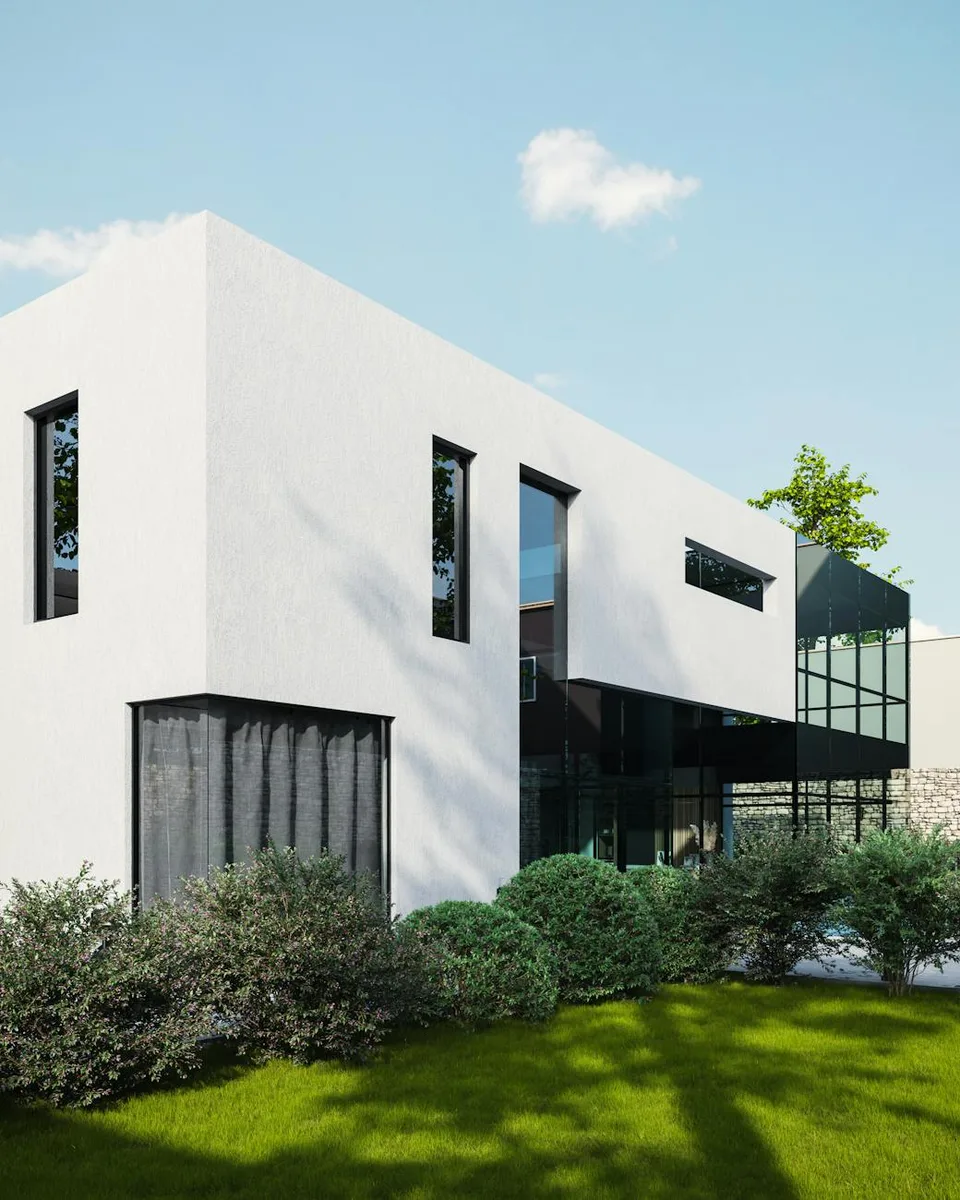
Grey has become one of the most specified K Rend Colours on contemporary builds because it reads as a modern, architectural finish that photographs well and sits comfortably alongside timber cladding, aluminium windows, and zinc roofing details.
Mid and light greys differ from dark greys in practical terms beyond appearance. Darker greys absorb more solar heat during the day and can feel visually heavy on larger elevations. Light and mid-tone greys carry less visual weight and absorb less heat, which is worth considering on south-facing walls.
Grey also reads very differently depending on natural light, the time of day, and the texture of the render. A colour that looks cool and blue-grey in morning light may appear warmer and more stone-like in afternoon sun. Always view samples on the actual wall before committing.
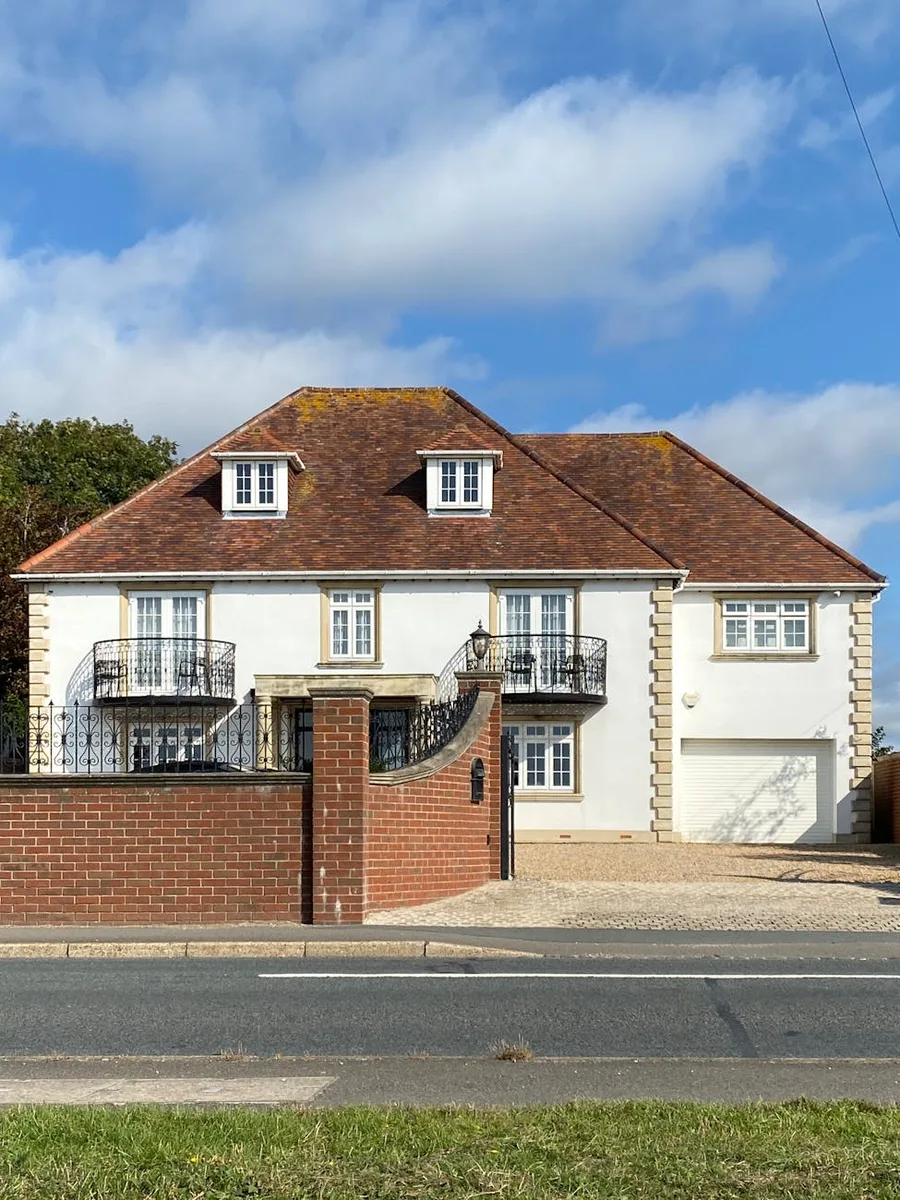
Why whites and creams remain popular choices
White and off-white K Rend Colours suit both period properties and modern builds, which is part of why they have never gone out of fashion despite the rise of grey.
Lighter colours can show organic staining from algae or pollution more readily than mid-tones, though silicone render's hydrophobic surface resists soiling better than traditional painted finishes. Texture plays a role here too: a fine smooth finish tends to show marks more readily than a textured one.
Cream and warm white shades soften a facade compared with cool, blue-toned whites. On older buildings, a warm off-white often reads more sympathetically with the surrounding masonry than a stark bright white.
How to match colour to the property and its surroundings
Property age and architectural style should guide the initial shortlist. A Georgian or Victorian terrace usually looks most coherent in off-whites, creams, or stone tones that reflect the palette of the era. A contemporary self-build or commercial unit may suit greys or cooler whites.
Planning constraints matter too. Many local planning authorities have views on external render colours, particularly in conservation areas or on listed buildings. Checking permitted development rules before finalising a colour is always sensible. Looking at neighbouring properties also helps avoid a finish that jars visually with its immediate context.
Does K Rend need painting after it is applied
K Rend does not require painting because the colour is integral to the render itself. This is one of the practical advantages silicone render holds over sand-and-cement finishes, which are typically uncoloured and need to be painted to achieve the desired appearance.
With K Rend, once the render has cured, the colour is effectively permanent. There is no requirement to repaint to maintain the finish, and no risk of peeling paint exposing bare render beneath.
If an owner wants to change the colour after the render has cured, painting is possible but requires appropriate preparation and a compatible paint system — covered below.
What paint to use if you do paint over K Rend render
Painting becomes relevant in a small number of scenarios: an owner wants to change the colour, the existing render has stained, or a property is being sold and the current colour needs refreshing.
The type of paint used matters. Silicone render surfaces are vapour-permeable, and the paint applied over them needs to be compatible with that permeability. A vapour-permeable, breathable masonry paint or a silicone-based paint is generally the appropriate choice. Standard vinyl emulsion or non-breathable masonry paints can trap moisture behind the film and cause adhesion problems over time.
Preparation is important. The surface should be clean, dry, and free of algae or loose material before any paint is applied. A stabilising primer may be needed depending on the condition of the render. For more information on issues that can affect K Rend surfaces, see our guide to common K Rend problems.
How colours hold up over time and what affects fading
Silicone render is more colour-stable than painted finishes, but all pigments change to some degree with prolonged UV exposure. K Rend Colours are formulated to resist fading, and in practice most colours remain visually consistent for many years under normal weathering conditions.
Darker colours tend to show any change more noticeably than lighter ones, partly because the contrast between faded and unfaded areas is easier to see. Lighter and mid-tone colours generally age more gracefully.
Algae and pollution are separate considerations from UV fading. Silicone render's hydrophobic surface sheds water readily, which limits the damp conditions that algae and moss need to establish. This gives silicone render a practical maintenance advantage over cement renders and painted finishes on north-facing or shaded elevations.
How to narrow the colour choice down before committing
View physical samples on the actual wall in different light conditions before shortlisting. Digital colour charts and online images are useful for initial research but rarely replicate the way a colour reads on a real facade in real weather.
Look at neighbouring properties and check for any planning constraints that might limit your choice. An experienced installer can advise on how a specific colour will behave with the texture and finish you have specified, and whether the shade you have in mind is known to perform well in exposed conditions.
Frequently asked questions about K Rend Colours
The questions below cover the most common queries about K Rend Colours, painting, and performance.
Does K Rend need painting?
K Rend does not need painting. The colour is mixed through the render material before application, so no paint coat is required to achieve the finished colour. This removes the maintenance cycle of periodic repainting that is typical with sand-and-cement render systems.
What is the best paint to use on K Rend render?
If painting K Rend becomes necessary, use a vapour-permeable breathable masonry paint or a silicone-based exterior paint. These are compatible with the permeability of silicone render. Avoid non-breathable paints, which can trap moisture and lead to adhesion failure. Clean and prepare the surface thoroughly before applying any paint system.
What colour should I paint my render?
The right colour depends on the property's age, architectural style, planning constraints, and the surrounding context. Neutral tones, greys, and off-whites are the most versatile starting points. Always view physical samples on the wall in different light conditions before committing, and check for any local planning restrictions that may apply.
What are some common problems with K Rend?
The most common issues with K Rend include cracking caused by substrate movement or inadequate preparation, staining on north-facing elevations in shaded conditions, and adhesion failures where the base coat was not properly applied. Most problems trace back to preparation rather than the product itself. For a detailed overview, see our guide to common K Rend problems.
What are the disadvantages of using silicone render?
Silicone render costs more than traditional sand-and-cement systems at the point of application. It also requires skilled installation — incorrectly applied render can crack or delaminate. If a colour change is needed after curing, the only practical option is painting over the surface. On very uneven or poorly prepared substrates, additional preparation work adds time and cost to the project.
If you are choosing a colour for your render and want guidance from an installer, get advice on your render project and we will connect you with someone who can help. For a broader view of what render work involves, visit our rendering services overview.