
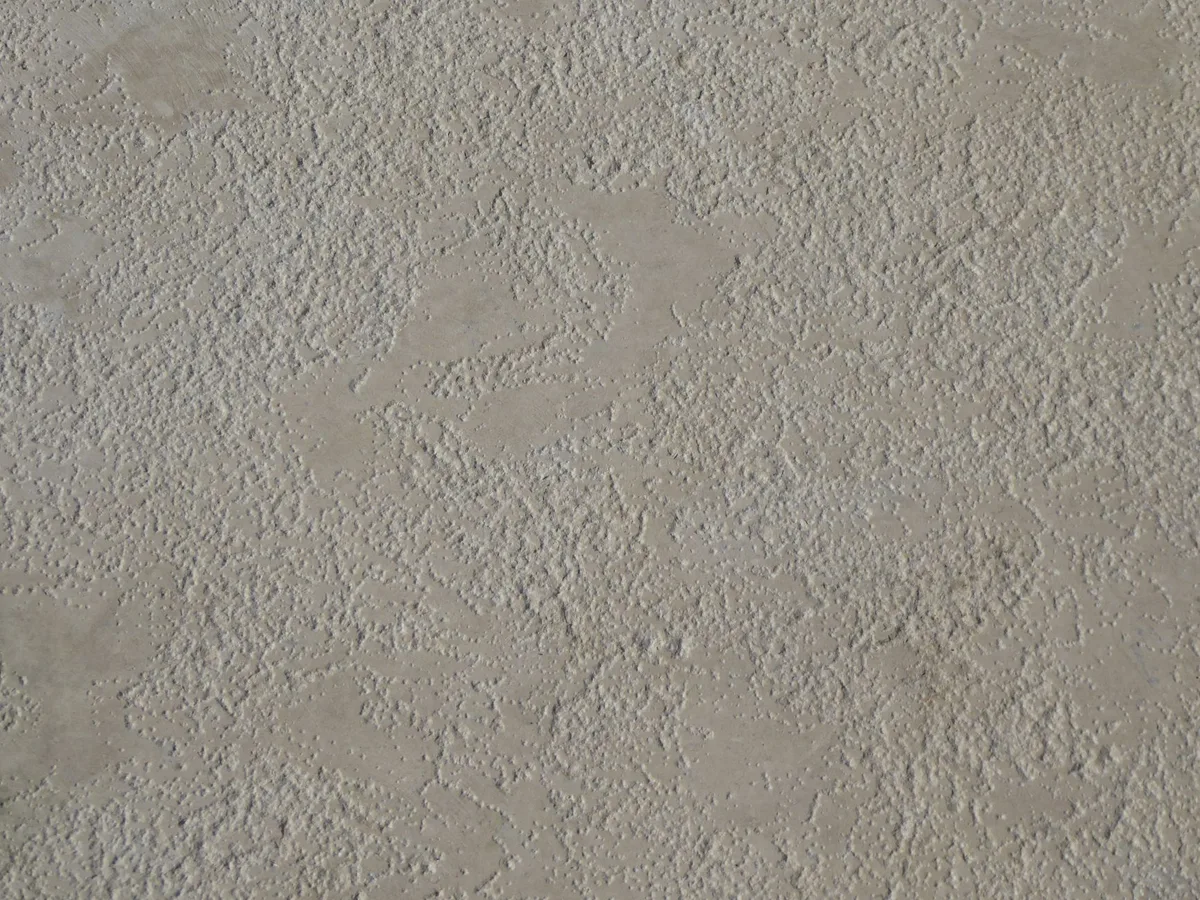
Rendering Reading: Professional Render Systems for Homes and Commercial Properties
Properties across Reading benefit from a clean, lasting finish — from the aging pebbledash on 1930s semis in Tilehurst and Caversham to Victorian terraces in Newtown and Katesgrove that need a full render refresh. Whether you manage a commercial building or own a home that's been on the to-do list for years, the end result is what matters: a weatherproof, visually sharp exterior that performs for decades. Our team brings 6 years of experience in render systems across the region, holds CSCS and K Rend accreditation, and backs every project with a 10-30 Years Coating warranty. We respond within 24 hours of every enquiry, and every quote is written, detailed, and free.
Reading's housing stock is one of the most varied in the South East. Post-war roughcast finishes in Whitley and Coley Park are carbonating and cracking. Edwardian villas in Emmer Green and Caversham Heights need renders that respect the original scale. New-build corridors around Green Park Village are specifying silicone systems from day one. Wherever your property sits — and whatever condition the existing render is in — the right system exists. Our job is to identify it, specify it correctly, and install it to a standard that holds.
Book a free site visit today and we'll assess your property, explain your options, and provide a written quote with no obligation attached.
Our Rendering Services in Reading
Properties across Reading vary enormously in age, substrate, and condition. Our service range is built around that variety — not a single system pushed at every wall.
Silicone Rendering Reading
This finish has become the choice of preference across much of Reading, particularly on the large stock of 1930s semi-detached homes in Earley, Southcote, and Lower Earley. It is flexible, breathable, and self-cleaning in normal rainfall — which matters in Berkshire, where driving rain is a regular fixture. The finish bonds tightly to prepared substrates and comes in a wide palette of through-colours, so the render itself carries the colour rather than relying on a separate paint system. For homeowners who want a modernised facade that doesn't require repainting every few years, silicone is the practical answer.
What's included:
- Full substrate assessment and preparation
- Application of basecoat and reinforcement mesh
- Silicone topcoat in your chosen colour and texture
- Expansion joint detailing at windows and reveals
- Workmanship backed by our 10-30 Years Coating warranty
Pebbledash Removal and Replacement
A significant proportion of Reading's 1930s and 1940s semi-detached housing was finished with pebbledash. After 80 to 90 years, that material cracks, holds moisture, stains, and becomes structurally unreliable. Removing failing pebbledash back to sound substrate, carrying out any necessary background repairs, and applying a modern render system suited to the building produces a clean facade that looks current and performs correctly — not a skim over a failing base. See our pebbledash render service page for the full scope of what this work involves.
External Wall Insulation Render Systems
Reading has a substantial stock of solid-wall properties — Victorian and Edwardian terraces in Newtown and Katesgrove, and pre-cavity 1930s semis throughout Tilehurst and Caversham — that cannot be insulated by cavity fill. These systems address this directly: insulation boards are fixed to the outer wall and a render system is applied over the top, improving thermal performance while simultaneously updating the facade. City Renderers installs EWI render systems on residential and commercial buildings, and our CITB-trained team handles the full installation from fixings to finish coat.
House and Commercial Rendering
From individual house rendering projects to multi-unit commercial facades, we cover the full range. Retail units, office buildings, schools, and industrial premises all benefit from a correctly specified render system, both for weather protection and for the professional appearance that facilities managers and commercial landlords expect. Our CSCS-accredited team works safely on all site types.
Rendering vs Traditional Alternatives
| Axis | Modern Render System | Traditional Sand-Cement Render |
|---|---|---|
| Finish Quality | Consistent, smooth or textured; through-coloured topcoats available | Variable depending on application; requires painting |
| Coverage Uniformity | High, factory-mixed materials ensure uniform specification | Dependent on mix accuracy and applicator consistency |
| Application Method | Machine or hand-applied with reinforcement mesh; controlled layers | Hand-applied scratch and float; no integral reinforcement standard |
| Preparation Required | Substrate must be sound, clean, and primed; defects repaired before work begins | Similar preparation required; failures common if background not assessed |
| Suitability for Commercial Scale | High, specified for large facades, EWI systems, and multi-storey applications | Typically used on smaller residential projects; less suited to large commercial areas |
| Typical Use Cases | Victorian terraces, 1930s semis, new-builds, commercial facades, EWI retrofits | Small patching, outbuilding walls, conservation repairs requiring lime compatibility |
Modern silicone and monocouche systems outperform traditional sand-cement on durability, weather resistance, and maintenance demands. For most Reading properties, whether a 1930s semi in Tilehurst or a retail unit near The Oracle, a modern system is the correct specification.

Common Rendering Problems We Fix in Reading
Cracking and Spalling Pebbledash
Applied to Reading's 1930s semis between 80 and 90 years ago, this material now fails as age, thermal movement, and moisture ingress break the substrate bond, producing cracks, loose sections, and hollow-sounding panels. Left untreated, water enters the wall behind the render and causes deeper structural damage. Cutting out failing sections, repairing the background, and applying a new render system that bonds correctly and allows the wall to breathe restores the facade.
Damp Penetration Through Failed Render
Berkshire's rainfall is higher than the national average, and Reading's exposure to westerly weather means render that has failed, even in small areas, lets significant moisture into the wall structure. Damp patches inside the property, efflorescence on the outer surface, and soft areas in the render all point to the same cause. Correct render repair addresses the root of the problem rather than masking it.
Blown and Hollow Render
Render that has lost its bond to the background produces a hollow sound when tapped. This is common on post-war concrete and roughcast finishes across Whitley and Coley Park, where age and thermal movement have broken the mechanical key. Blown render cannot be overcoated, it must be removed and replaced from sound substrate. Our assessment process identifies exactly what is sound and what needs to come off before any new material is applied.
Tired and Stained Pebbledash on Victorian Terraces
Victorian brick terraces in Newtown and Katesgrove were often rendered in later decades. Where that render is now stained, chipped, or simply aesthetically dated, overcoating with a silicone or monocouche system transforms the appearance without the cost of full removal, provided the substrate beneath is sound. We assess before we specify, so you only pay for the work the wall actually needs.
Our Rendering Process in Reading
Our process is built to avoid surprises. Every stage is explained before we move to the next.
- Initial Site Assessment
We visit the property in Reading, examine the existing substrate, check for damp, identify failing sections, and assess access requirements. For commercial buildings, we meet the facilities or site manager on site. For residential projects, we walk the property with the homeowner. Nothing is assumed, everything is inspected.
- Written Specification and Quote
Based on the site assessment, we produce a written quote detailing the system specified, the preparation required, the materials to be used, and the project scope. Quotes are provided free of charge and without obligation. We respond within 24 hours of a completed site visit.
- Preparation and Defect Repair
All failing render is removed. Cracks are cut out and filled. Masonry is cleaned and treated. Expansion joints are positioned correctly. Window reveals and abutments are checked. Correct preparation is the single largest determinant of how long a render system lasts, we do not skip steps to reduce labour time.
- Priming and Basecoat Application
The prepared substrate is primed to the manufacturer's specification. A basecoat is applied and reinforcement mesh is embedded, standard on all silicone and EWI systems, to control cracking and improve impact resistance. The basecoat is allowed to cure fully before the topcoat is applied.
- Topcoat Finish
The specified topcoat, silicone render, monocouche, or textured finish, is applied to a consistent thickness and texture. Beading and trims at all edges are fixed to clean lines at reveals, corners, and openings. Through-coloured systems require no painting after application.
- Inspection and Sign-Off
On completion, we walk the finished work with the client, facilities manager, property manager, or homeowner, and confirm the finish meets the agreed specification. Any snagging is resolved before we consider the project closed.
- Warranty and Aftercare
Every completed project is covered by our 10-30 Years Coating warranty. We provide written aftercare guidance on cleaning and inspection intervals. If an issue arises within the warranty period, we address it.
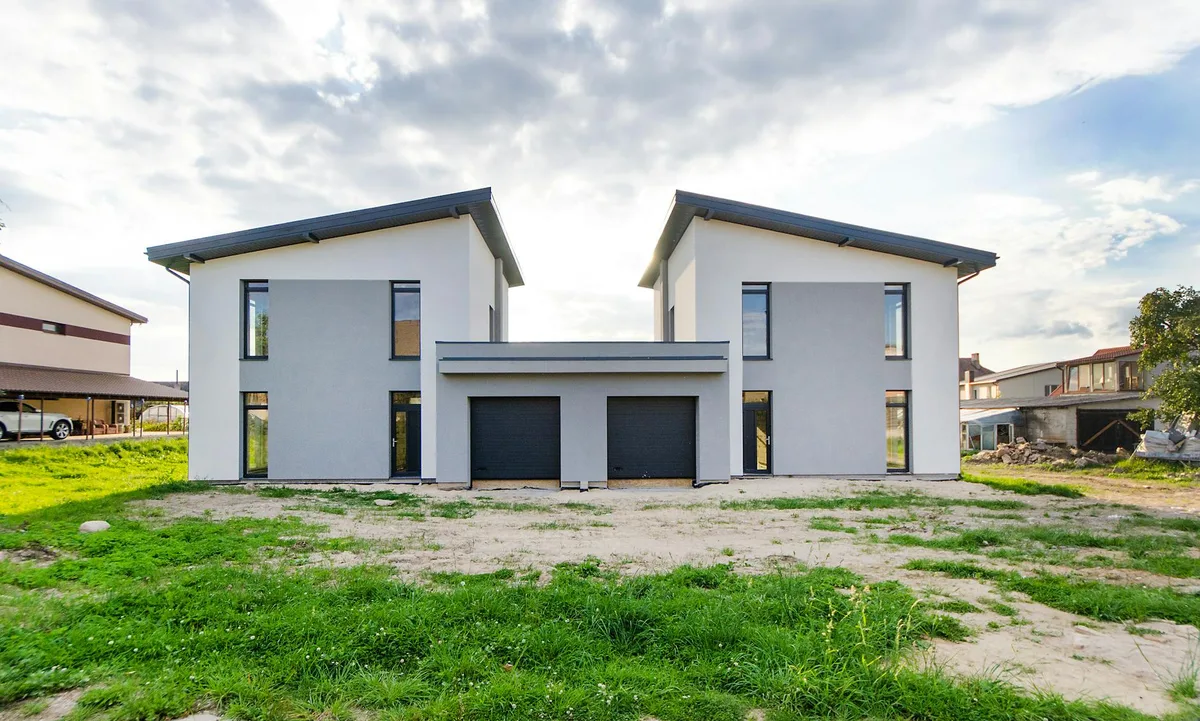
Frequently Asked Questions
Q: How long does rendering typically take in Reading?
Project timelines depend on the size of the property, the preparation required, and the system specified. A typical semi-detached house in Reading takes between three and six working days from start to finish. Larger commercial facades or properties requiring extensive defect repair take longer. We provide a clear, realistic timeline in every written quote before work begins.
Q: Do you handle commercial as well as residential rendering?
Yes. City Renderers works across both sectors in Reading. Commercial projects include retail units, office buildings, industrial premises, healthcare buildings, and educational facilities. Our CSCS-accredited team meets site safety requirements, and we liaise directly with facilities managers and site managers throughout the project to minimise disruption to operations.
Q: What preparation work is needed before rendering starts?
Preparation varies with the property. On 1930s semis with original pebbledash, common across Tilehurst, Caversham, and Earley, failing material must be removed and the background repaired before any new system is applied. On sounder substrates, cleaning, crack repair, and priming may be sufficient. We assess every surface before specifying the preparation scope, so you know exactly what is involved before the project starts.
Q: How does rendering compare with the traditional alternative?
Modern silicone and monocouche render systems outperform traditional sand-cement on almost every practical measure: they are more flexible, more weather-resistant, and require less ongoing maintenance. They also eliminate the repainting cycle, since the colour runs through the material. For most Reading properties, including the large stock of solid-wall Victorian and 1930s construction, a modern system is the better long-term specification.
Areas We Cover Near Reading
City Renderers serves Reading and the surrounding area. If your property sits outside Reading itself, we cover a range of nearby locations:
- rendering Leighton Buzzard, residential and commercial render work in Leighton Buzzard
- rendering Luton, silicone systems, pebbledash removal, and EWI render in Luton
- rendering Bedford, full render services across Bedford properties
- rendering Kempston, house and commercial rendering in Kempston
For coverage in other areas near Reading, contact us directly and we will confirm whether your location falls within our working range.
The condition of your exterior render affects how well your property handles weather, how much it costs to maintain, and how it looks from the street. In Reading, with its high proportion of aging pebbledash, Victorian brick terraces, and solid-wall properties that can't be cavity-insulated, getting the render specification right matters more than it might elsewhere.
City Renderers has 6 years of experience specifying and installing render systems across the region. We hold CSCS and K Rend accreditation, work to CITB standards, and back every project with a 10-30 Years Coating warranty.
Book a free site visit and we'll assess your property, explain exactly what it needs, and give you a written quote with no obligation. We respond within 24 hours.
Not ready to book a visit yet? Request Your Free Quote online and we'll follow up at a time that suits you.
Book a free site visit today, or get in touch via our contact page to tell us about your project in Reading.